課題Ⅱ 第2編② 組織的・人的セキュリティ ― 安全管理措置・委託先監督・事故対応
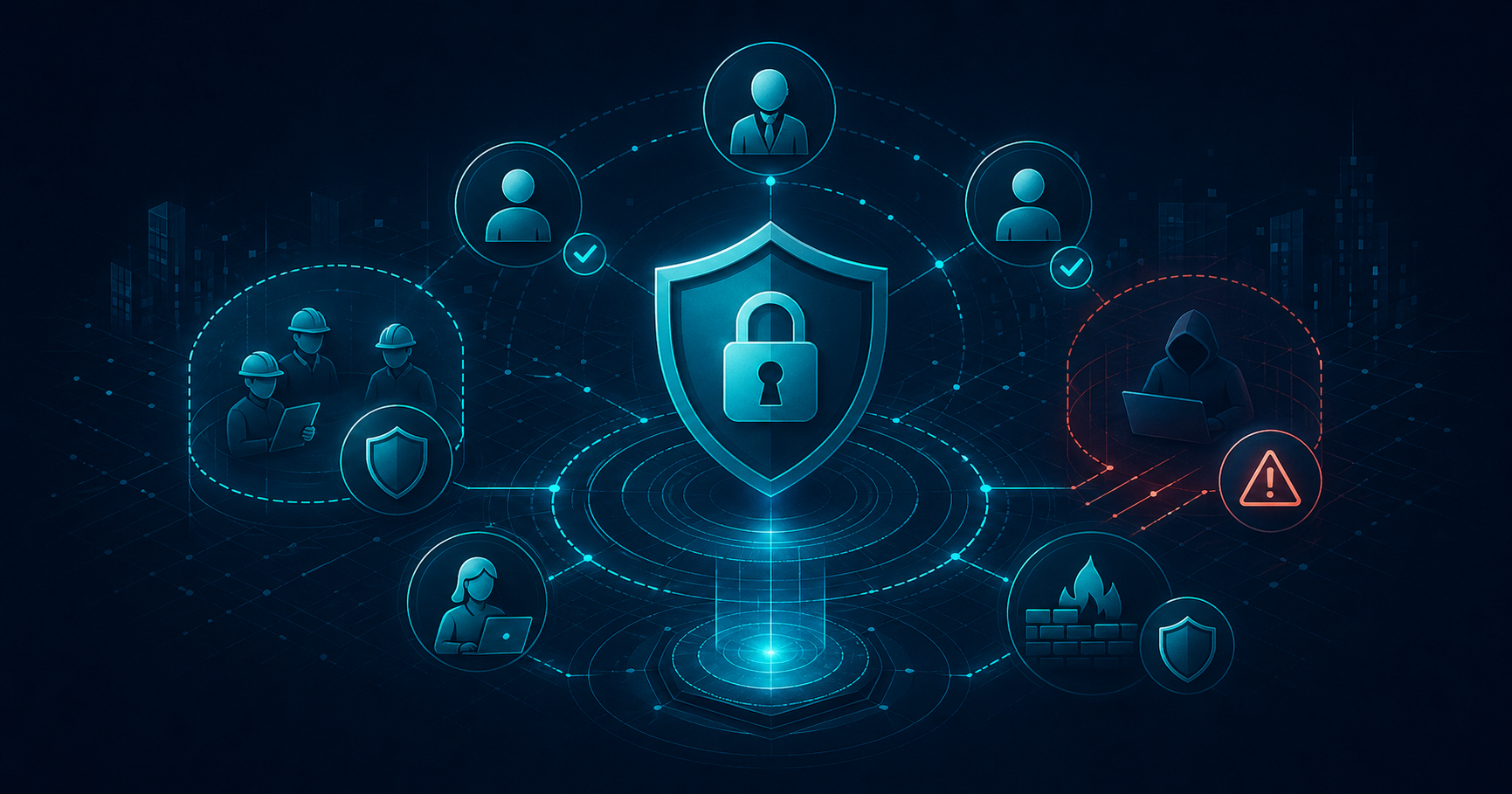
組織的安全管理措置は、ガイドライン通則編10-3に規定されており、5つの項目で構成されます。第一は組織体制の整備です。最も上位に個人情報保護管理者(CPO)を置き、組織全体の個人情報保護体制を統括させます。その下に個人情報保護監査責任者を配置し、CPOから独立した立場で監査を実施します。さらに各部門に部門管理者を配置し、現場レベルでの個人情報の取り扱いを監督させます。最も下位に取扱担当者がおり、実際に個人情報を操作する従業者です。
Organizational safety management measures are stipulated in Guideline General Rules 10-3 and consist of five items. First is the development of an organizational structure. At the top, a Chief Privacy Officer (CPO) is placed to oversee the entire organization's personal information protection system. Below that, a personal information protection audit officer is assigned, conducting audits from a position independent of the CPO. Furthermore, division managers are assigned to each department to supervise personal information handling at the field level. At the lowest level are handling staff — the workers who actually operate on personal information.
規律に従った運用と取扱状況の確認
第二の項目は、個人データの取扱いに係る規律に従った運用です。策定した規程どおりに業務が行われているかを日常的に確認します。第三は取扱状況を確認する手段の整備です。具体的には、個人情報管理台帳の整備と更新、個人情報を取り扱う情報システムのアクセスログの記録・保存、入退室記録の管理などが挙げられます。これにより「いつ」「誰が」「どの」個人情報にアクセスしたかを追跡できる仕組みを作ります。
The second item is operation in accordance with rules concerning personal data handling — daily confirmation that operations follow formulated regulations. Third is developing means to confirm handling status. Specifically, this includes developing and updating the personal information management ledger, recording and retaining access logs for information systems that handle personal information, and managing entry/exit records. This creates a mechanism that can trace "when," "who," and "which" personal information was accessed.
漏洩等の事案に対応する体制
第四は、漏洩等の事案に対応する体制の整備です。発見者から責任者、経営層への報告連絡体制を事前に定めておきます。事案発生時には、原因究明、影響範囲の確認、再発防止策の策定を迅速に行います。報告ルートだけでなく、初動対応の手順(被害拡大の阻止、証拠保全)もあらかじめ策定しておく必要があります。
Fourth is developing a system for responding to incidents such as leaks. A reporting and communication system from the discoverer to the person in charge and management level is established in advance. When an incident occurs, cause investigation, confirmation of the scope of impact, and formulation of recurrence prevention measures are carried out swiftly. Not only reporting routes, but initial response procedures (preventing damage expansion, evidence preservation) must also be formulated in advance.
取扱状況の把握と安全管理措置の見直し
第五は、取扱状況の把握および安全管理措置の見直しです。定期的な内部監査を実施し、規程どおりに運用されているかを客観的に検証します。監査結果は経営層に報告し、必要な是正措置を講じます。PDCAサイクルの「Check」と「Act」に該当し、監査は年に一回以上実施することが望まれます。外部環境の変化(法令改正、新たな脅威の出現)にも対応して見直しを行います。
Fifth is grasping the handling status and reviewing safety management measures. Periodic internal audits are conducted to objectively verify whether operations follow regulations. Audit results are reported to management, and necessary corrective measures are taken. This corresponds to "Check" and "Act" in the PDCA cycle, and audits should be conducted at least once per year. Reviews are also carried out in response to changes in the external environment (legal amendments, emergence of new threats).
人的安全管理措置と「従業者」の範囲
人的安全管理措置(ガイドライン通則編10-4)は、従業者に対する教育・啓発が中心です。ここで重要なのは「従業者」の定義です。従業者とは、正社員だけでなく、契約社員、パート・アルバイト、派遣社員、役員を含む広い概念です。事業者の指揮命令の下で業務に従事するすべての者が対象となります。
Human safety management measures (Guideline General Rules 10-4) center on education and awareness-raising for workers. What is important here is the definition of "worker" (従業者). Workers include not only permanent employees but also contract employees, part-time/temporary workers, dispatched workers, and directors/executives — a broad concept. All persons who engage in operations under the command of the business operator are subject to these measures.
教育・研修の実施
教育・研修は複数の場面で実施します。入社時研修では、個人情報保護の基礎知識と社内規程を教えます。定期研修は年に一回以上実施し、法令改正や最新の事故事例を共有します。eラーニングも有効な手段であり、受講記録を残すことで教育実施の証跡とします。研修後にはテストを実施し、理解度を確認することが望まれます。
Education and training are conducted on multiple occasions. At the time of joining the company, basic knowledge of personal information protection and internal regulations are taught. Regular training is conducted at least once a year, sharing legal amendments and the latest incident cases. E-learning is also an effective means, and leaving attendance records serves as evidence of education implementation. After training, it is desirable to conduct tests to confirm the level of understanding.
秘密保持契約と就業規則
秘密保持契約(NDA)は複数の時点で締結・確認します。入社時に誓約書を提出させ、部署異動時にも新たな取扱い範囲に応じて再度確認します。退職時には、退職後も秘密保持義務が継続することを書面で確認させます。就業規則にも個人情報保護に関する規定を設け、違反時の懲戒処分を明記することで、抑止力を高めます。
Non-disclosure agreements (NDAs) are concluded and confirmed at multiple points in time. At the time of joining, a written pledge is submitted; at the time of department transfer, it is re-confirmed according to the new scope of handling. At the time of resignation, the continuing obligation of confidentiality even after leaving is confirmed in writing. Provisions regarding personal information protection are also established in employment rules, and by clearly stating disciplinary action for violations, the deterrent effect is heightened.
委託先の選定基準
個人情報の取扱いを外部に委託する場合、委託元は委託先に対する監督責任を負います(法第25条)。選定基準として、委託先の安全管理措置の水準、個人情報保護の実績、財務状況などを事前に評価します。プライバシーマークやISMS認証の取得状況も判断材料となります。
When outsourcing the handling of personal information to an external party, the outsourcer bears supervisory responsibility over the contractor (Article 25). As selection criteria, the contractor's level of safety management measures, track record of personal information protection, and financial status are evaluated in advance. Whether they have obtained the Privacy Mark or ISMS certification also serves as judgment material.
委託契約の必須条項と実態把握
委託契約には以下の事項を盛り込みます。秘密保持義務、目的外利用の禁止、再委託の制限(事前承認制)、事故発生時の速やかな報告義務、委託元による監査権の確保、契約終了時の個人情報の返却・廃棄義務です。契約締結後も、定期報告の徴求、立入調査、監査の実施により実態を把握します。
The outsourcing contract incorporates the following matters: confidentiality obligations, prohibition of use beyond the stated purpose, restrictions on subcontracting (advance approval system), obligation for prompt reporting when incidents occur, securing audit rights for the outsourcer, and the obligation to return or dispose of personal information at contract termination. Even after the contract is concluded, the actual situation is grasped through requesting periodic reports, on-site investigations, and conducting audits.
再委託の管理
再委託については、元の委託者の許諾が必要です。再委託先に対しても、委託先と同等の安全管理措置を求めなければなりません。再委託の連鎖(再々委託)が発生する場合もあり、元の委託者が最終的な監督責任を負う点に注意が必要です。
Regarding subcontracting, permission from the original outsourcer is required. The subcontractor must also be required to implement safety management measures equivalent to those of the contractor. Chains of subcontracting (sub-sub-contracting) can also occur, and it is important to note that the original outsourcer bears ultimate supervisory responsibility.
事故対応フロー
個人情報の漏洩等の事故が発生した場合の対応フローは以下のとおりです。まず発見者が速やかに責任者へ報告します。次に初動対応として、被害拡大の防止と証拠保全を行います。その後、原因究明を行い、影響範囲を確認します。再発防止策を策定し、本人への通知と個人情報保護委員会(PPC)への報告を行います。
The response flow when a personal information leakage incident occurs is as follows. First, the discoverer promptly reports to the person in charge. Next, as an initial response, prevention of damage expansion and evidence preservation are carried out. After that, cause investigation is conducted and the scope of impact is confirmed. Recurrence prevention measures are formulated, and notification to the individual and reporting to the Personal Information Protection Commission (PPC) are carried out.
法第26条:報告義務のある事案
2022年4月施行の改正法第26条により、一定の要件に該当する漏洩等が発生した場合は、PPC への報告と本人への通知が義務とされました。報告義務のある事案の判断基準は、要配慮個人情報の漏洩、不正に利用されることで財産的被害が生じるおそれがある漏洩、不正の目的をもって行われたおそれがある漏洩、1,000人を超える漏洩です。報告は速報(事態発覚から概ね3~5日以内)と確報(30日以内、不正目的の場合は60日以内)の2段階です。
Under Article 26 of the amended law enforced in April 2022, reporting to PPC and notification to the individual became mandatory when certain qualifying leaks occur. The criteria for incidents requiring reporting are: leakage of specially-care-required personal information, leakage that may cause property damage through unauthorized use, leakage suspected of being carried out for unauthorized purposes, and leakage exceeding 1,000 persons. Reporting is in two stages: a preliminary report (roughly within 3-5 days of discovery) and a definitive report (within 30 days; within 60 days for cases of unauthorized purpose).
苦情対応とフォローアップ
苦情対応については、受付窓口を明確に設置し、苦情の内容、対応経過、結果を記録します。誠実かつ迅速な対応が求められ、対応後のフォローアップ(本人への結果連絡、再発防止の確認)も重要です。苦情記録は蓄積し、傾向分析を行うことで、組織の弱点を改善する材料とします。
For complaint handling, a reception contact point is clearly established, and the content of complaints, response progress, and results are recorded. Sincere and swift responses are required, and follow-up after responses (communicating results to the individual, confirming recurrence prevention) is also important. Complaint records are accumulated and trend analysis is performed, using them as material for improving organizational weaknesses.