Sansan Data Intelligenceリリースに寄せて
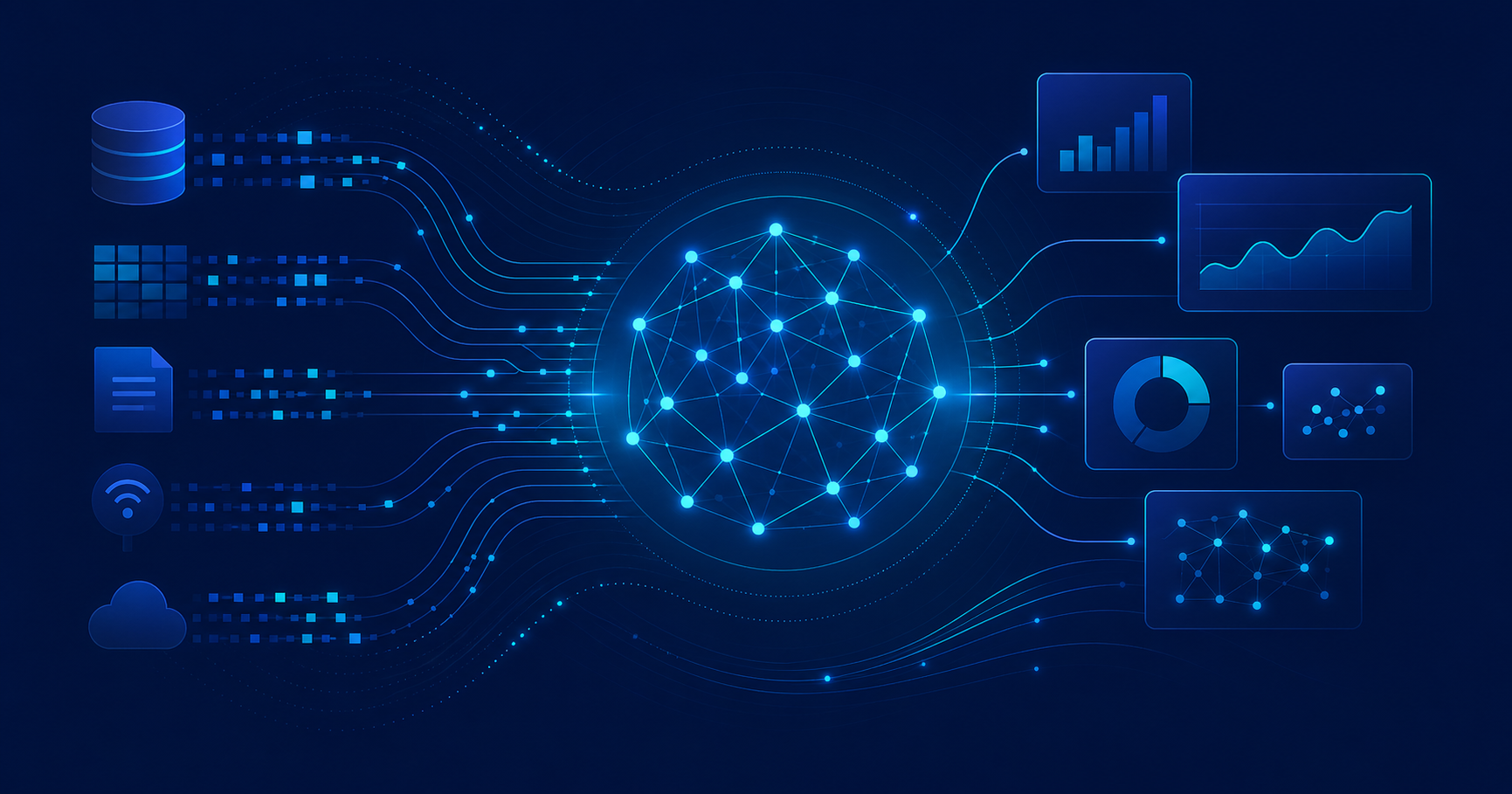
Sansan Data IntelligenceのProduct Owner(PO)を務めています猿田貴之と申します。本日12月12日、私たちは約4年ぶりとなる新規プロダクトSansan Data Intelligenceをリリースいたしました。これは、Sansanが名刺管理サービスから、企業の意思決定を支えるビジネスインフラへと進化するための挑戦の一つになります。
My name is Takayuki Saruta, and I serve as the Product Owner (PO) of Sansan Data Intelligence. Today, December 12th, we released Sansan Data Intelligence — our first new product in about four years. This represents one of our challenges as Sansan evolves from a business card management service into business infrastructure that supports corporate decision-making.
背景:名寄せ技術の蓄積
今回のリリースは構想から約半年という短期間で実現しましたが、その背景には10年以上にわたる名寄せ技術の蓄積と、既存のデータベースアーキテクチャをリビルドするSOC v2の開発がありました。名寄せとは、複数のデータベースに登録されている顧客情報から、重複する部分を洗い出し、一つに統合する作業を意味します。
This release was achieved in just about half a year from conception, but behind it lies over 10 years of accumulated record-matching technology and the development of SOC v2, which rebuilds the existing database architecture. Record matching (nayose) refers to the process of identifying duplicates across multiple databases of customer information and consolidating them into one.
なぜ今、Sansan Data Intelligenceなのか?
現在、多くの企業が「2025年の崖」対策や生成AI活用に向けたデータ基盤構築を進めています。しかし、企業の約8割が「取引先データに重複・表記揺れ・更新漏れなどの経験がある」と回答しており、AI活用に取り組む企業の約9割が「期待通りの精度が出ない」と嘆いています。いわゆる「Garbage In, Garbage Out」の状況です。
Currently, many companies are building data foundations for "2025 cliff" countermeasures and generative AI adoption. However, about 80% of companies report experiencing duplication, notation variations, and update omissions in their business partner data, and about 90% of companies working on AI adoption lament that they cannot achieve expected accuracy. This is the classic "Garbage In, Garbage Out" situation.
現場で起きている負のループ
入力の属人化:現場の営業担当者が手入力するため、社名が「(株)」だったり「株式会社」だったりバラバラになる。更新の放置:移転や合併があっても、古い情報がそのまま残る。結果、請求書が届かない、与信管理が漏れるといった実害が出る。
Person-dependent input: Because on-site sales staff enter data manually, company names end up inconsistent — sometimes "(Inc.)" and sometimes "Corporation." Neglected updates: Even when relocations or mergers occur, old information remains as-is. As a result, real harm occurs — invoices don't arrive, credit management falls through the cracks.
Data Hubとの関係性
Data Hubでも高精度な名寄せは可能ですが、「A社とB社が合併してC社になった」「D社はEグループの傘下に入った」といった複雑な企業間の関係性を表現して、管理することには限界がありました。つまり、Data Hubで培った名寄せ技術という資産を継承しつつ、それを企業全体のデータガバナンス基盤へと昇華させたのがSansan Data Intelligenceです。
While high-accuracy record matching was possible with Data Hub, there were limits to expressing and managing complex inter-company relationships like "Company A and B merged to become Company C" or "Company D came under the E Group umbrella." In other words, Sansan Data Intelligence inherits the record-matching technology asset cultivated in Data Hub while elevating it into a data governance foundation for the entire enterprise.
SOC v2の実現
この高度なデータマネジメントを実現している裏側には、SOC v2 (Sansan Organization Code version 2)というコードがあります。従来のSOCシステムではRDBのテーブル構造を採用していましたが、時系列方向に遡れない、合併で新会社ができるとIDが変わり、過去のIDとの連続性が断絶してしまうという技術的課題に直面していました。
Behind this advanced data management lies a code called SOC v2 (Sansan Organization Code version 2). The conventional SOC system used an RDB table structure, but it faced technical challenges: it could not trace back through time-series data, and when mergers created new companies, IDs would change and continuity with past IDs was severed.
時系列グラフモデル
これらを解決するために、SOC v2は時系列グラフモデルを採用しました。最大の特徴は、すべてのEdgeが有効期間を持っていることです。移転や合併などの変更は、レコードの上書きではなく、新しいEdgeを追加する更新で表現されます。これによって、過去のいかなる時点の状態も破壊することなく保持し続けることができます。
To solve these issues, SOC v2 adopted a time-series graph model. Its greatest feature is that all Edges have a validity period. Changes such as relocations and mergers are expressed not by overwriting records but by adding new Edges. This makes it possible to retain the state at any past point in time without destruction.
おわりに
Sansan Data IntelligenceとSOC v2は、単なるマスターデータ管理システムではありません。それは、「いつ、誰が、どのような状態で存在したか」を証明するデータ・ガバナンスのインフラです。Data Hubで培った技術を礎に、この新規プロダクトを得て、Sansanは世界のビジネス構造そのものを記述するプラットフォームへと進化します。
Sansan Data Intelligence and SOC v2 are not mere master data management systems. They are data governance infrastructure that proves "when, who, and in what state something existed." With the technology cultivated in Data Hub as a cornerstone, and with this new product, Sansan evolves into a platform that describes the very structure of global business.