デジタル庁ガバメントクラウド技術詳細
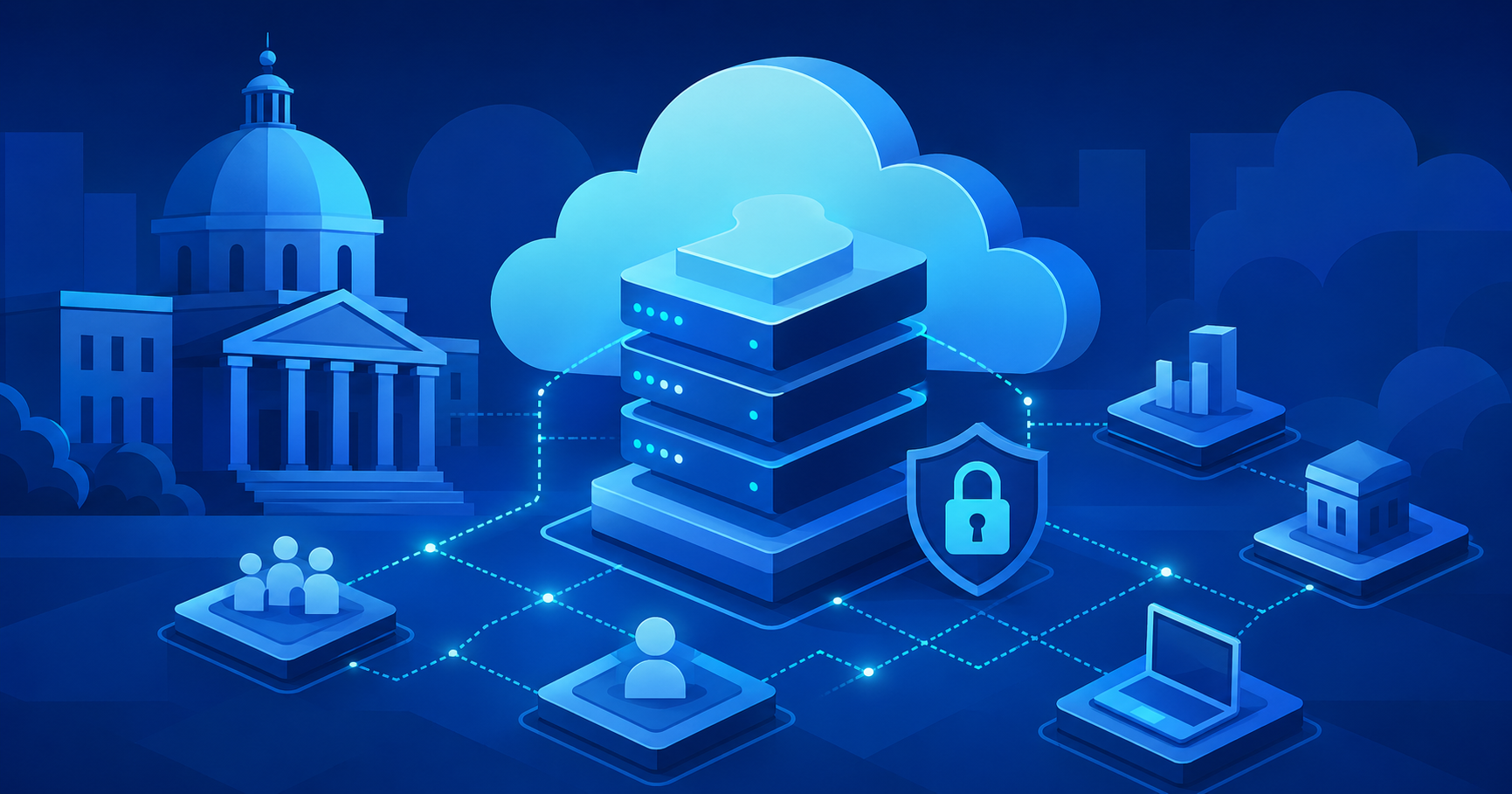
日本の行政デジタル改革の中核を担うデジタル庁は、全国の国・地方公共団体が共通利用できる「ガバメントクラウド」を整備しています。本記事では、その技術的な全体像と今後の展開計画を整理します。
The Digital Agency, which bears the core of Japan's administrative digital reform, is developing the "Government Cloud" — a platform that all national and local public bodies can commonly use. This article organizes its technical overall picture and future rollout plan.
マルチクラウドの選定基準
ガバメントクラウドは現在、AWS、Microsoft Azure、Google Cloud、Oracle Cloud、そして国産クラウドのさくらインターネットの5社が選定されています。選定には毎年公募が行われ、技術要件と価格の両面で評価されます。特に、国産クラウドの参入は経済安全保障の観点からも重視されています。
The Government Cloud currently has five providers selected: AWS, Microsoft Azure, Google Cloud, Oracle Cloud, and the domestic cloud Sakura Internet. Selection is conducted via an annual open call for proposals, evaluated on both technical requirements and price. Particularly, the entry of domestic clouds is also emphasized from the perspective of economic security.
ISMAPによる認証要件
ガバメントクラウドへ参入するには、ISMAP(Information system Security Management and Assessment Program、政府情報システムのためのセキュリティ評価制度)の認証が必須です。ISMAPはISO/IEC 27001やNIST SP 800-53などの国際標準を参考に、日本政府の要件に合わせて策定されたものです。第三者監査機関による年次監査が義務付けられています。
To enter the Government Cloud, ISMAP (Information system Security Management and Assessment Program — the security assessment system for government information systems) certification is mandatory. ISMAP was formulated based on international standards such as ISO/IEC 27001 and NIST SP 800-53, tailored to Japanese government requirements. Annual audits by third-party audit institutions are mandated.
約1700自治体の移行スケジュール
デジタル庁は全国約1700の自治体に対し、基幹業務システム(住民基本台帳、税、国民健康保険など20業務)の標準準拠システムへの移行期限を設定しました。当初は2025年度末が期限でしたが、各自治体の実情を考慮し、移行が困難な団体には期限の延長も認められています。
The Digital Agency set a deadline for approximately 1,700 nationwide municipalities to migrate their core business systems (20 business operations including the Basic Resident Registry, tax, National Health Insurance, etc.) to standards-compliant systems. The deadline was originally end of fiscal year 2025, but considering each municipality's actual circumstances, deadline extensions are also allowed for bodies for which migration is difficult.
共通セキュリティベースライン
ガバメントクラウド上に構築されるシステムは、デジタル庁が定める共通セキュリティベースラインに準拠する必要があります。これにはネットワーク分離、暗号化(保存時と通信時の両方)、多要素認証、監査ログの長期保存などが含まれます。各クラウド事業者は、これらの要件を満たすリファレンスアーキテクチャを公開しています。
Systems built on the Government Cloud must comply with a common security baseline set by the Digital Agency. This includes network isolation, encryption (both at rest and in transit), multi-factor authentication, and long-term retention of audit logs. Each cloud provider publishes reference architectures that satisfy these requirements.
コストモデルと調達改革
従来の行政調達は単年度契約が原則でしたが、クラウドの従量課金モデルとは相性が悪いという問題がありました。デジタル庁は複数年度の包括契約や、利用実績に応じた支払いの仕組みを導入し、クラウドの特性を活かせる調達制度に改革しました。
Conventional government procurement was, in principle, single-fiscal-year contracts, but this had poor compatibility with the usage-based billing model of cloud. The Digital Agency introduced multi-year comprehensive contracts and payment mechanisms based on usage track record, reforming the procurement system into one that can leverage cloud characteristics.
今後の課題
ガバメントクラウドの今後の課題としては、自治体側の人材不足、既存ベンダーロックインの解消、そしてマルチクラウド間でのデータ移植性の確保が挙げられます。デジタル庁は共通コンポーネント(認証、決済、通知など)を整備し、各自治体が個別に実装しなくて済むよう支援しています。
Challenges going forward for the Government Cloud include human resource shortages on the municipal side, dissolving existing vendor lock-in, and ensuring data portability between multiple clouds. The Digital Agency is developing common components (authentication, payment, notifications, etc.) to support municipalities so they do not need to implement them individually.