Rapidus 2nmロードマップ最新動向 — 2027年量産を目指す日の丸半導体
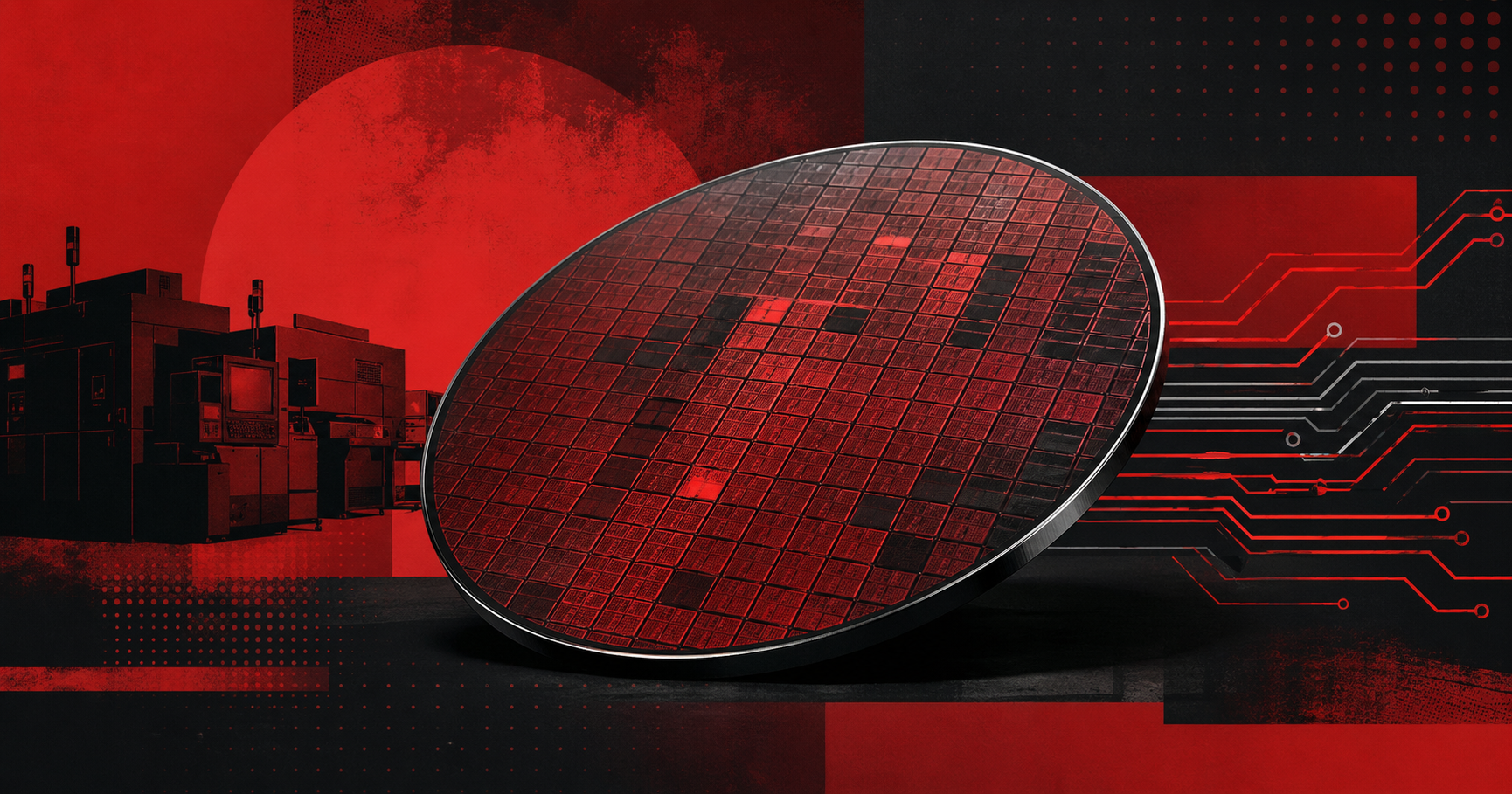
ラピダスは日本の次世代半導体戦略の中核を担う企業とされ、2nm世代の最先端ロジック半導体の国産量産を目指しています。本記事では、公開情報を基に、同社のロードマップと現時点の進捗を整理します。
Rapidus is reportedly the company bearing the core of Japan's next-generation semiconductor strategy, and is aiming for domestic mass production of 2nm-generation most-advanced logic semiconductors. Based on publicly disclosed information, this article organizes the company's roadmap and current progress.
ラピダス設立と北海道IIM-1工場
ラピダスは2022年8月に国内大手企業の共同出資により設立されました。出資企業にはトヨタ、ソニー、デンソー、NEC、ソフトバンク、NTT、三菱UFJ銀行、キオクシア、日本政策投資銀行が名を連ねているとされます。同社は北海道千歳市にIIM-1(Innovative Integration for Manufacturing)と呼ばれる最先端ロジック半導体工場を建設しています。
Rapidus was established in August 2022 through joint investment by major domestic firms. The investing firms reportedly include Toyota, Sony, Denso, NEC, SoftBank, NTT, Mitsubishi UFJ Bank, Kioxia, and the Development Bank of Japan. The company is constructing a most-advanced logic-semiconductor fab called IIM-1 (Innovative Integration for Manufacturing) in Chitose City, Hokkaido.
2nm GAA FETプロセスとIBMからの技術移管
ラピダスが採用する2nm世代は、従来のFinFET構造に代わり、GAA(Gate-All-Around)トランジスタ構造を用いるとされます。同社は米国IBMから2nm GAA FETプロセスの技術移管を受け、米国アルバニーの研究拠点にエンジニアを派遣して共同開発を進めていると発表されています。
The 2nm generation that Rapidus is adopting reportedly uses the GAA (Gate-All-Around) transistor structure in place of the conventional FinFET structure. It has been announced that the company is receiving technology transfer of the 2nm GAA FET process from US-based IBM, dispatching engineers to a research base in Albany, USA, and advancing joint development.
政府支援と経産省補助金
経済産業省(経産省)はラピダスに対し、2022年から2024年にかけて累計9200億円を超える補助金を投入したと公表されています。さらに2025年には追加の支援策が発表されており、研究開発から量産立ち上げまでを一貫して支える体制が整備されつつあるとされます。
METI has publicly disclosed that it injected cumulative subsidies exceeding 920 billion yen into Rapidus from 2022 to 2024. In addition, additional support measures were announced in 2025, and a framework that consistently supports everything from research and development to mass-production ramp-up is reportedly being put in place.
2025年4月 パイロット生産開始
ラピダスは2025年4月にIIM-1工場で2nm世代のパイロット生産を開始したと発表しています。パイロットラインでの試作を通じて歩留の向上とプロセスの安定化を図り、2027年の本格量産開始を目標とする予定とされています。
Rapidus has announced that it started pilot production of the 2nm generation at the IIM-1 fab in April 2025. It is said that, through prototyping on the pilot line, it aims to improve yield and stabilize the process, with a plan to target the start of full-scale mass production in 2027.
ASML EUV露光装置の導入
2nm世代の微細加工には、オランダASML社が供給するEUV(極端紫外線)露光装置が不可欠とされます。EUV装置は一台当たり約300億円と極めて高額であり、ラピダスは複数台の導入を計画していると報じられています。装置の搬入と据付は既に一部進んでいるとされ、千歳工場のクリーンルームで稼働準備が行われている模様です。
For the fine processing of the 2nm generation, EUV (extreme ultraviolet) lithography equipment supplied by Netherlands-based ASML is reportedly indispensable. EUV equipment is extremely high in price at approximately 30 billion yen per unit, and it is reported that Rapidus is planning the deployment of multiple units. Delivery and installation of equipment is reportedly already partially advancing, and operations preparation appears to be being carried out in the cleanroom of the Chitose fab.
TSMC 2nmとの競合と顧客獲得
2nm世代の市場では、台湾TSMCが既に量産体制に入りつつあるとされ、ラピダスにとっては強力な競合となると見られています。ファブレス顧客の獲得は同社の事業成立を左右する要素とされ、AIアクセラレータやエッジ推論向けの新興企業を中心に商談を進めていると伝えられていますが、現時点で大型受注の公表は限定的です。
In the 2nm-generation market, Taiwan's TSMC is reportedly already entering a mass-production framework, and is viewed as becoming a powerful competitor for Rapidus. Acquisition of fabless customers is reportedly a factor that determines the viability of the company's business, and it is reported that business negotiations are being advanced centered on emerging firms targeted at AI accelerators and edge inference, but at the current point in time public disclosure of large orders is limited.
日米連携とTRIST
日米両政府は次世代半導体研究での連携を強化しており、つくばに設立されたTRIST(Technology Research Institute)が拠点の一つとされています。ラピダスはTRISTを通じてIBMやボストン周辺の研究機関と人材交流を進めているとされ、後工程(パッケージング)領域でも連携が広がっていると見られています。
Both the US and Japanese governments are strengthening cooperation in next-generation semiconductor research, and TRIST (Technology Research Institute) established in Tsukuba is said to be one of the bases. It is said that Rapidus is advancing talent exchange with IBM and research institutions in the area surrounding Boston through TRIST, and cooperation is viewed as expanding also in the back-end-process (packaging) area.
人材確保という最大の課題
ラピダスが量産体制に到達するためには、最終的に1000人を超えるエンジニアとオペレーターの確保が必要と見られています。国内では長年最先端ロジック製造の空白が続いたため即戦力の層が薄く、海外からのエンジニア招聘や大学・高専との連携による育成が並行して進められているとされます。
For Rapidus to reach a mass-production framework, securing engineers and operators ultimately exceeding 1,000 people is viewed as necessary. Because there has been a long-running vacuum in most-advanced logic manufacturing domestically, the layer of immediately deployable talent is thin, and invitation of engineers from overseas and cultivation through cooperation with universities and technical colleges are reportedly being advanced in parallel.
TSMC熊本との産業エコシステム
日本国内ではラピダスの千歳工場と並んで、熊本県でTSMCの合弁JASM-1が既に稼働し、JASM-2の建設も進んでいるとされます。千歳が最先端ロジックを担い、熊本が車載・産業向けの成熟プロセスを担うという役割分担が形成されつつあるとされ、両拠点を軸とする産業エコシステムの構築が期待されています。
Domestically in Japan, alongside Rapidus's Chitose fab, TSMC's joint-venture JASM-1 is reportedly already operating in Kumamoto Prefecture, and construction of JASM-2 is also advancing. A division of roles in which Chitose bears most-advanced logic and Kumamoto bears mature processes targeted at automotive and industrial uses is reportedly forming, and the construction of an industrial ecosystem with both bases as axes is expected.
ラピダスの2nmロードマップは政府支援・出資企業の協力・日米連携という複数の要素に支えられていますが、技術移管の追いつき、人材確保、顧客獲得という課題を同時にクリアする必要があるとされます。2027年量産という目標に向けた今後数年の進展が、日本半導体産業復活の成否を占うと見られています。
Rapidus's 2nm roadmap is reportedly supported by multiple factors — government support, the cooperation of investing firms, and US-Japan cooperation — but it is reportedly necessary to simultaneously clear the challenges of catching up on technology transfer, securing talent, and acquiring customers. Progress over the next several years aimed at the target of mass production in 2027 is viewed as foretelling the success or failure of the revival of Japan's semiconductor industry.