日本、補正予算で赤字国債への依存抑制へ
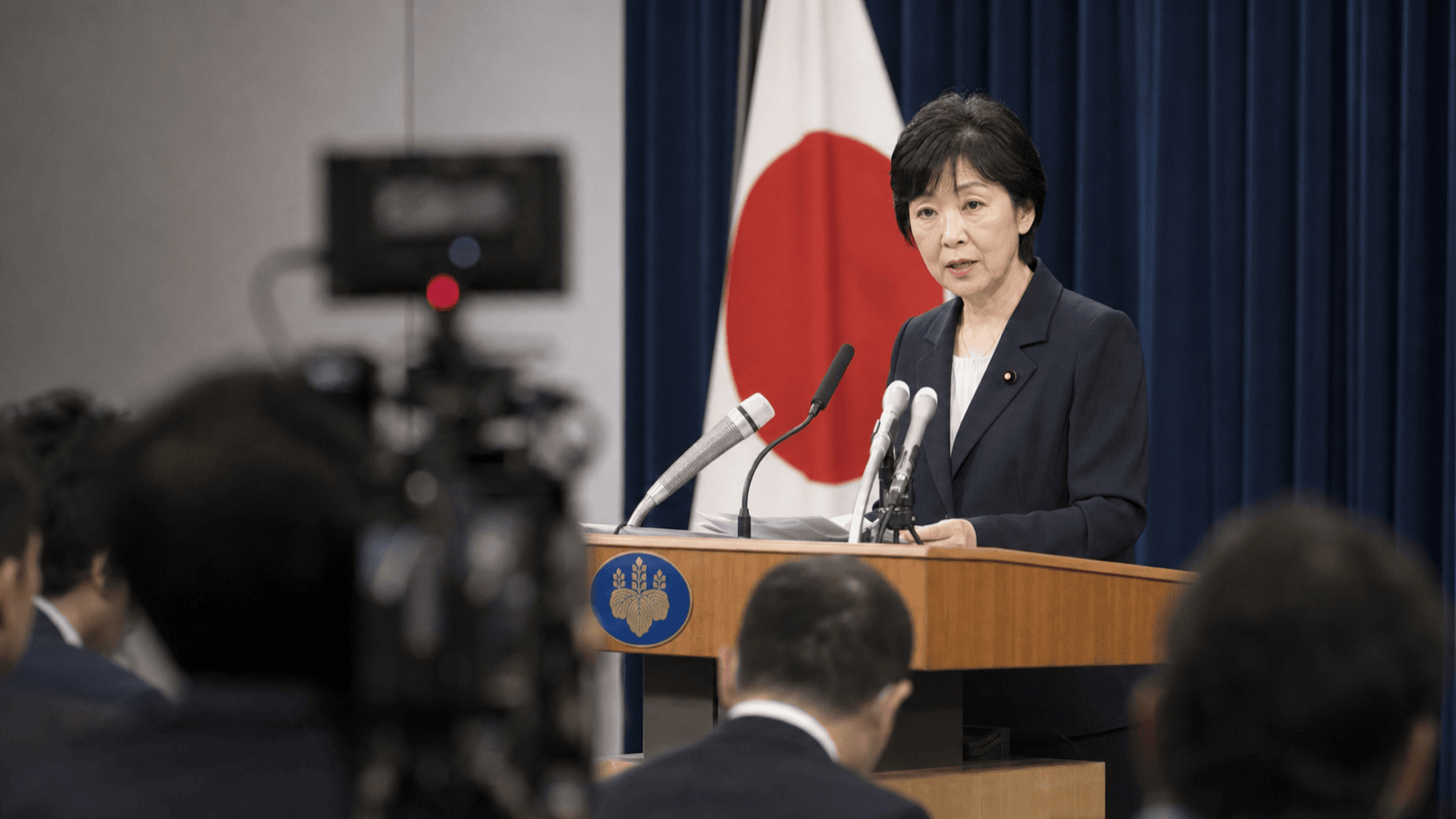
日本の片山さつき財務相は5月22日、政府が補正予算を組むなら、赤字国債の発行にできるだけ頼らないようにすると述べた。
Japan's Finance Minister Satsuki Katayama said on May 22 that if the government compiles an extra budget, it will try not to rely as much as possible on issuing deficit-covering bonds.
この補正予算は、中東情勢の長期化で上がったエネルギー価格や物価高への対策を支えるために検討されている。
The extra budget is being considered to support measures against higher energy prices and inflation caused by prolonged turmoil in the Middle East.
片山氏の説明
片山氏は記者会見で、補正予算の正確な規模へのコメントは避けたが、報道で出ているおよそ3兆円という水準に近いとの見方を示した。
At a press conference, Katayama avoided commenting on the exact size of the package but indicated that a level of about 3 trillion yen mentioned in media reports was close to what was being discussed.
また、高市早苗首相から物価高の痛みを和らげるための対応で、市場との対話も大切だと指示されたと語った。
She also said Prime Minister Sanae Takaichi had instructed her that dialogue with markets was important while preparing measures to ease the pain of inflation.
何に使う 予算なのか
時事通信によると、政府と与党は、夏の電気料金とガス料金を抑えるための補助や、ガソリン支援の継続を想定している。
According to Jiji Press, the government and ruling parties are envisioning subsidies to hold down summer electricity and gas bills, as well as continued support for gasoline prices.
既存の予備費からは、電気とガスの対策におよそ5000億円を回すとされるが、原油価格の高止まりが続けば、さらに資金が必要になると見られる。
About 500 billion yen from existing reserve funds is expected to be allocated to the electricity and gas measures, but if crude oil prices stay high, more funding is seen as likely to be needed.
背景にある不安
日本では、ホルムズ海峡の事実上の封鎖が長引くと、原油の調達や輸送への不安が強まると見られている。
In Japan, concern is seen as likely to intensify over crude oil procurement and transport if the de facto blockade of the Strait of Hormuz drags on.
日本は輸入に頼る割合が高いため、燃料費の上昇が家計と企業の両方を圧迫するおそれがある。
Because Japan depends heavily on imports, rising fuel costs may pressure both household finances and companies.
財政への視線
日本はすでに大きい債務残高を抱えるため、新しい借金に頼りすぎると市場が警戒するという見方がある。
Japan already carries a large debt burden, so there is a view that markets may become wary if the government relies too heavily on fresh borrowing.
そのため片山氏は、赤字国債への依存を抑えることが、家計支援と市場安定の両立につながるとの考えを示した。
For that reason, Katayama suggested that limiting dependence on deficit-covering bonds could help balance household support with market stability.