衆議院解散と総選挙の仕組み
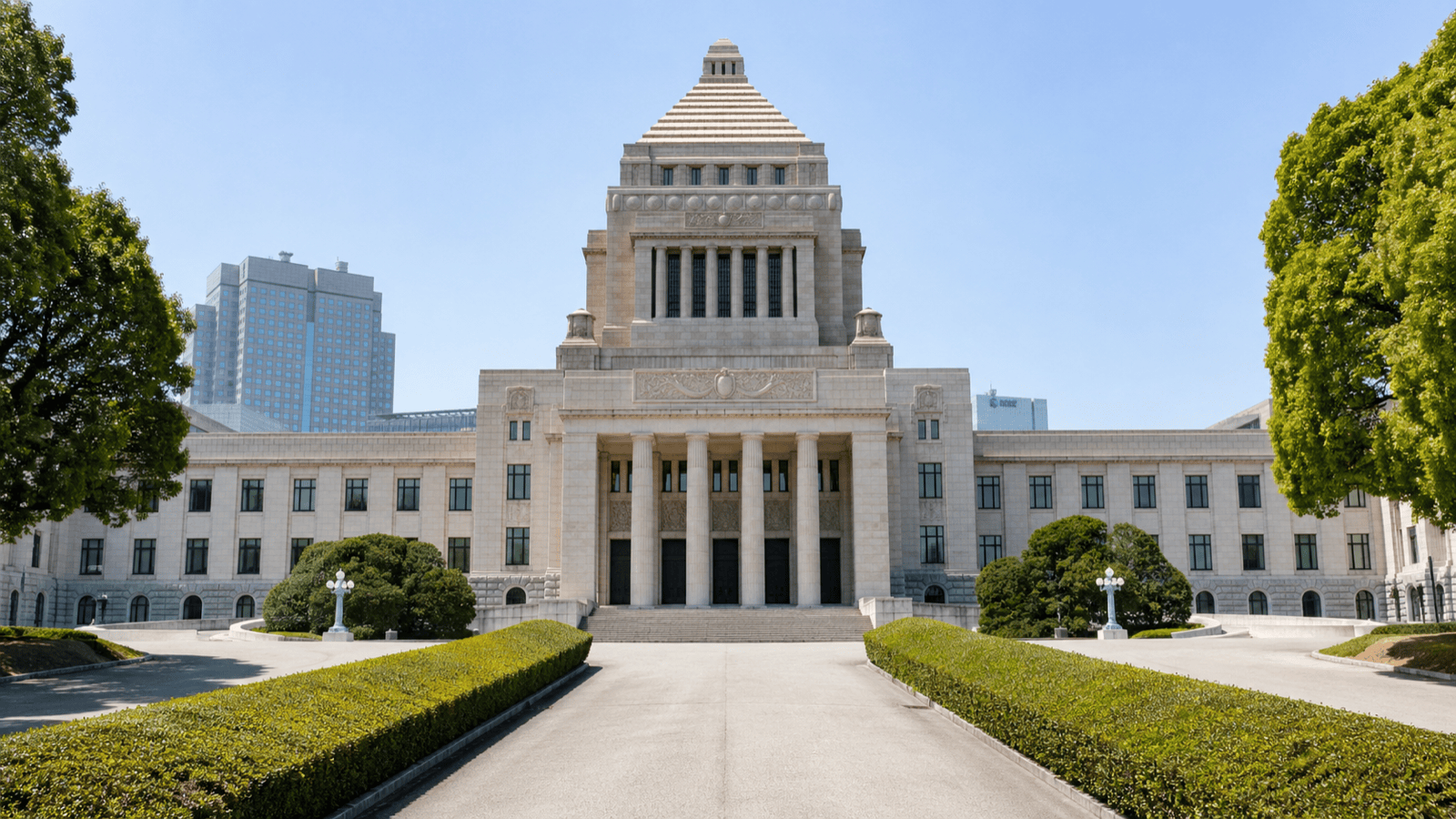
衆議院の解散と総選挙は、日本の政治が大きく動く局面です。本記事では、公開されている制度情報を基に、解散の仕組みと選挙までの流れを整理します。
Dissolution of the House of Representatives and the general election is a phase in which Japanese politics moves greatly. Based on publicly available institutional information, this article organizes the dissolution mechanism and the flow up to the election.
衆議院の任期と解散権
衆議院議員の任期は憲法第45条により4年と定められていますが、実際には満了まで続くことはまれです。内閣が衆議院を解散する権限を持っており、首相が政治判断で時期を選ぶのが通例とされています。
The term of office for Lower House members is set at four years by Article 45 of the Constitution, but in practice it is rare for the term to run to its end. The cabinet holds the authority to dissolve the Lower House, and it is customary for the prime minister to choose the timing as a political judgment.
第7条解散と第69条解散
解散には大きく二つの類型があるとされます。一つは憲法第7条に基づく「七条解散」で、天皇の国事行為としての解散を内閣の助言と承認により行う形です。もう一つは第69条に基づく解散で、内閣不信任決議が可決された場合に、10日以内に衆議院を解散するか内閣が総辞職するかを選ぶ仕組みです。
There are said to be broadly two types of dissolution. One is the "Article 7 dissolution" based on Article 7 of the Constitution — a dissolution carried out as a state act of the Emperor on the advice and approval of the cabinet. The other is dissolution based on Article 69, in which, if a cabinet no-confidence resolution passes, the cabinet must within 10 days either dissolve the Lower House or resign en masse.
解散から投開票までの日程
衆議院が解散されると、公職選挙法により40日以内に総選挙を実施しなければならないとされています。実際の流れとしては、解散の後に内閣が選挙期日を閣議決定し、公示日から12日間の選挙運動期間を経て投開票を迎えるのが通例とされています。
Once the Lower House is dissolved, a general election must be held within 40 days under the Public Offices Election Act. In practice, the cabinet decides the election date in a cabinet meeting after dissolution, and it is standard to arrive at voting and ballot counting after a 12-day campaign period from the day of official announcement.
小選挙区と比例代表
現行制度では衆議院の定数は465議席とされており、内訳は小選挙区289議席と比例代表176議席です。有権者は投票所で二枚の投票用紙を受け取り、一枚には小選挙区の候補者名を、もう一枚には比例代表ブロックの政党名を書いて投じる仕組みとされています。
Under the current system, the total number of Lower House seats is said to be 465 — broken down into 289 single-seat constituency seats and 176 proportional representation seats. Voters receive two ballots at the polling place: on one they write the name of a candidate in their single-seat district, and on the other they write the name of a political party in the proportional block.
比例ブロックと復活当選
全国は11の比例代表ブロックに区分されており、各政党は得票数に応じてドント方式で議席を配分されます。小選挙区と比例の両方に重複立候補した候補者は、小選挙区で落選しても惜敗率に応じて比例で復活当選する可能性があるとされています。
The country is divided into 11 proportional representation blocks, and seats are allocated to each party by the D'Hondt method according to their vote totals. Candidates who run in both a single-seat district and on the proportional list can, even if defeated in the single-seat district, be elected through "revival wins" on the proportional list according to their close-loss ratio.
解散が政局に与える影響
首相がいつ解散に踏み切るかは、支持率や経済情勢、与党内の力学など多くの要素を踏まえて判断されると見られています。解散の時期が政権の行方を左右することも多く、政治家にとって最も重い決断の一つと言われています。
When a prime minister takes the plunge to dissolve is seen as judged based on many factors — approval ratings, economic conditions, internal dynamics within the ruling party. The timing of dissolution often greatly affects the fate of the administration, and is said to be one of the weightiest decisions facing political figures.
投票区分と参加資格
投票資格は満18歳以上の日本国民とされており、選挙人名簿に登録されている必要があります。投票当日に投票所に行けない場合は、期日前投票や不在者投票の制度を利用することができるとされています。在外邦人にも在外投票制度が整備されています。
Voting eligibility is for Japanese nationals aged 18 or older who must be registered on the electoral register. If unable to go to the polling place on voting day, it is said voters can use the early voting or absentee voting systems. Japanese nationals living overseas also have an overseas voting system in place.