大阪ガス、オージス総研、日本IBMがAI軸の次世代IT変革を検討
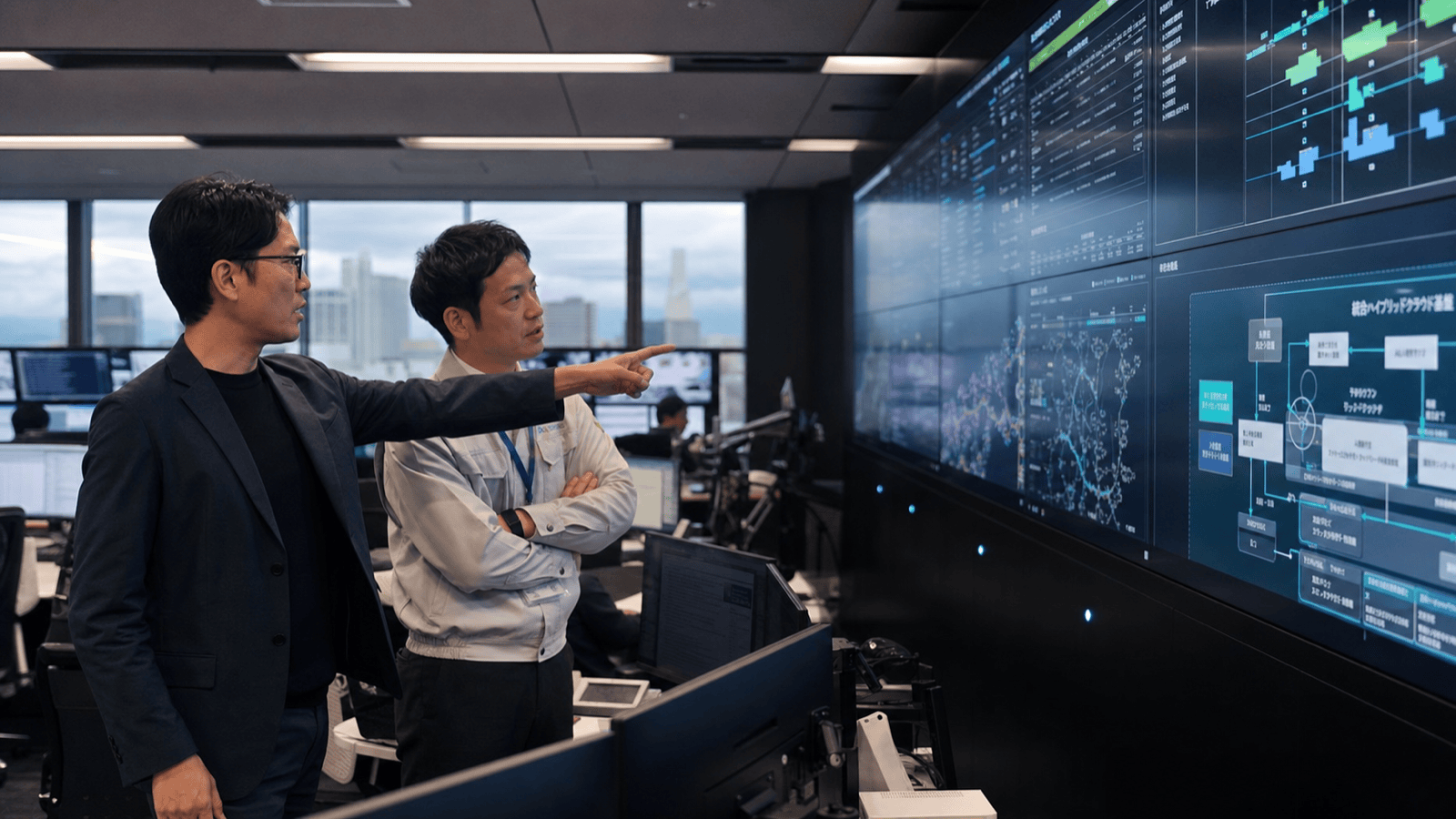
大阪ガス、オージス総研、日本IBMがAI軸の次世代IT変革を検討
大阪ガスとオージス総研、日本IBMは6月8日、DaigasグループのDXを支えるAI軸の次世代ITシステム変革に向けた検討を始めるため、共創パートナーシップ合意書を結んだ。
Osaka Gas, OGIS-RI, and IBM Japan said on June 8 that they had signed a co-creation partnership agreement to begin studying an AI-centered next-generation IT systems transformation that would support the Daigas Group's DX efforts.
発表によると、3社は大阪ガスグループが持つエネルギー事業のノウハウと、ITシステムの開発・運用の知見を、IBMのAIや先進技術と組み合わせる 方針だ。
According to the announcement, the three companies plan to combine Osaka Gas group energy-business know-how and experience in IT system development and operations with IBM's AI and other advanced technologies.
狙いは顧客価値と事業基盤
3社は、最新デジタル技術を使って、顧客への提供価値を高めることと、インフラ事業者としての安定的な事業提供基盤をさらに強めることを目指すとしている。
The companies said they aim to use digital technology to raise the value delivered to customers and further strengthen the stable delivery base expected of an infrastructure operator.
今回の発表は、新しいAIサービスの投入そのものより、基幹に近いITシステムの設計や運用をどう変えるかに重心がある点が特徴だと見られる。
This announcement appears notable because the emphasis is less on launching a new AI service and more on how to change the design and operation of IT systems closer to the core of the business.
日本のエンジニアにとっての意味
日本の大企業では、AIの実験から、既存システムの再設計や業務フローの見直しへ議論が移りつつあることを、この事例は示しているようだ。
For large companies in Japan, this case suggests discussion is shifting from AI experiments toward redesigning existing systems and reviewing operational workflows.
特に、開発と運用の両方に知見をもつチームや、分散システム、データ連携、セキュリティー統制を横断して見られるエンジニアの重要性は、さらに高まると考えられる。
In particular, the value of engineers who can bridge development and operations, and who can work across distributed systems, data integration, and security governance, is likely to increase further.
大阪ガスグループのようなインフラ企業では、停止しにくいシステムを扱うため、AIの導入も速度だけでなく、監査や可用性、安全性をどう担保するかが問われるとみられる。
At an infrastructure company like Osaka Gas, systems are hard to stop, so AI deployment is likely to be judged not only on speed but also on auditability, availability, and safety.
市場への波及
国内の企業ITでは、生成AIを現場へ広げる 案件が増えているが、今回のように基盤の変革まで含む話は、投資判断の尺度が一段 深くなる 流れを示すと言えそうだ。
Projects that bring generative AI into day-to-day operations are increasing in Japan, and an announcement like this suggests the criteria for investment decisions may be moving one level deeper, toward platform change itself.
読者が社内でAI活用を進める 立場なら、試作を超えて、どのシステムを残すか、どこを更新するか、保守や障害対応をどう変えるかまで描けるかが次の勝負になりそうだ。
For readers pushing AI inside their own organizations, the next contest may be whether they can move beyond prototypes and map which systems to keep, which to modernize, and how maintenance and incident response should change.
もちろん、現時点では具体的な構成や導入時期はまだ示されていない。それでも、大阪ガス、オージス総研、日本IBMの組み合わせは、日本の産業系DXがAIを基幹システムへどう結びつけるかを見るうえで、重要な観測点になると見られる。
Concrete architecture and deployment timing have not yet been disclosed. Even so, the Osaka Gas, OGIS-RI, and IBM Japan combination looks like an important observation point for how Japan's industrial DX efforts may connect AI to core systems.