SmartHR、AI前提で開発プロセスを作り直す実験を開始
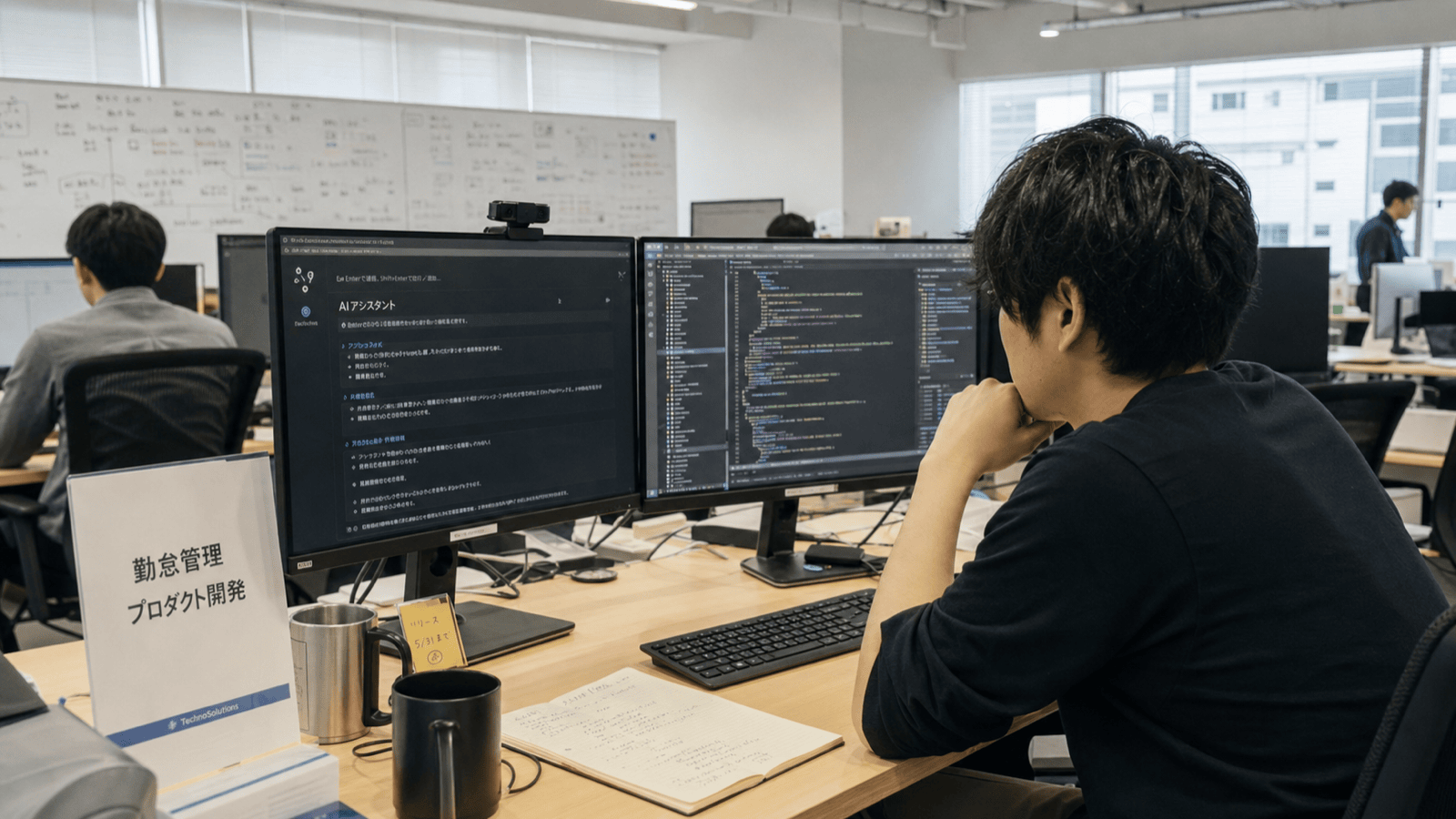
SmartHR、AI前提で開発プロセスを作り直す 実験を開始
SmartHRは6月4日、勤怠管理チームがAIを前提にした開発プロセスへの移行を進めていると紹介した。記事によると、2026年4月から3か月の計画として始まったという。
On June 4, SmartHR introduced an effort by its attendance-management team to shift development toward an AI-first process. According to the post, the plan began in April 2026 as a three-month project.
狙いは、AIツールを既存 工程に足すことではなく、AIがいることを前提に仕事の流れそのものを再設計することだとされる。SmartHRはこの考え方を「AIネイティブ開発化」と呼んでいる。
The stated goal is not to add AI tools to an old workflow, but to redesign the flow of work itself on the assumption that AI is always present. SmartHR calls this approach a shift to AI-native development.
変える 理由
記事では、チームは以前からAI活用に積極的だったものの、期待したほどの速度は出なかったと説明している。従来の役割分担や確認手順が、そのままでは足かせになったとされる。
The post says the team had already been active in using AI, but the expected speed gains did not fully appear. It explains that conventional role splits and review steps became constraints when left unchanged.
そのため、SmartHRは1つのチームをパイロットにして、機能開発よりも実験を優先してよいと決めた。四半期の終わりまでに、学びをチーム全体へ広げられるかどうかで評価するとしている。
SmartHR therefore chose one pilot team and decided it could prioritize experimentation over feature delivery. It says the project will be judged by whether the lessons can spread across the broader team by the end of the quarter.
実験の進め方
SmartHRは、背景、実施内容、確かめたい 仮説、リスク仮説、そして評価観点をそろえたテンプレートで、実験を回す 方針だという。勘ではなく、比較可能な形で学習を蓄積したいようだ。
The company says it is using a template that captures background, actions, target hypotheses, risk hypotheses, and evaluation criteria. The point appears to be to accumulate learning in a comparable form rather than rely on gut feeling.
記事は、実験と評価の循環を短く 回すことが重要だと示している。AIを導入しただけではなく、使い方と判断基準まで揃えることが肝心だと見られる。
The article suggests it is important to keep the experiment-and-evaluation loop short. The implication is that introducing AI is not enough unless usage patterns and decision criteria are aligned as well.
品質については、内部品質も外部品質も、人間が担保してきた水準を落とさないことを前提にしているという。速度のために品質を犠牲にしない線引きを、最初から明文化した形だ。
On quality, the post says both internal and external quality should stay at the level previously guaranteed by humans. In effect, SmartHR is drawing an explicit line from the start against trading quality for speed.
日本の開発組織への示唆
SmartHRの事例が興味深いのは、生産性だけでなく、自律的に判断できる範囲をどう広げるかまで含めている点だ。AIの得意な部分と人間が持つ 文脈理解を、どう組み合わせるかが問われている。
What makes the SmartHR case notable is that it is not only about productivity, but also about how far teams can expand autonomous decision-making. The deeper question is how to combine the parts AI is good at with the contextual understanding humans still provide.
日本のソフトウェア企業でも、AI活用は個人の工夫から組織的な運用へ移りつつあると見られる。SmartHRがこの実験の結果を続報でどう示すのかは、ほかの開発現場にとっても参考になりそうだ。
Across Japanese software companies, AI use appears to be shifting from individual improvisation toward organizational operation. How SmartHR reports the results of this experiment in follow-up posts will likely become useful reference material for other teams.