日本が円買い介入を実施 — 2024年7月以来、規模5〜6兆円と推計
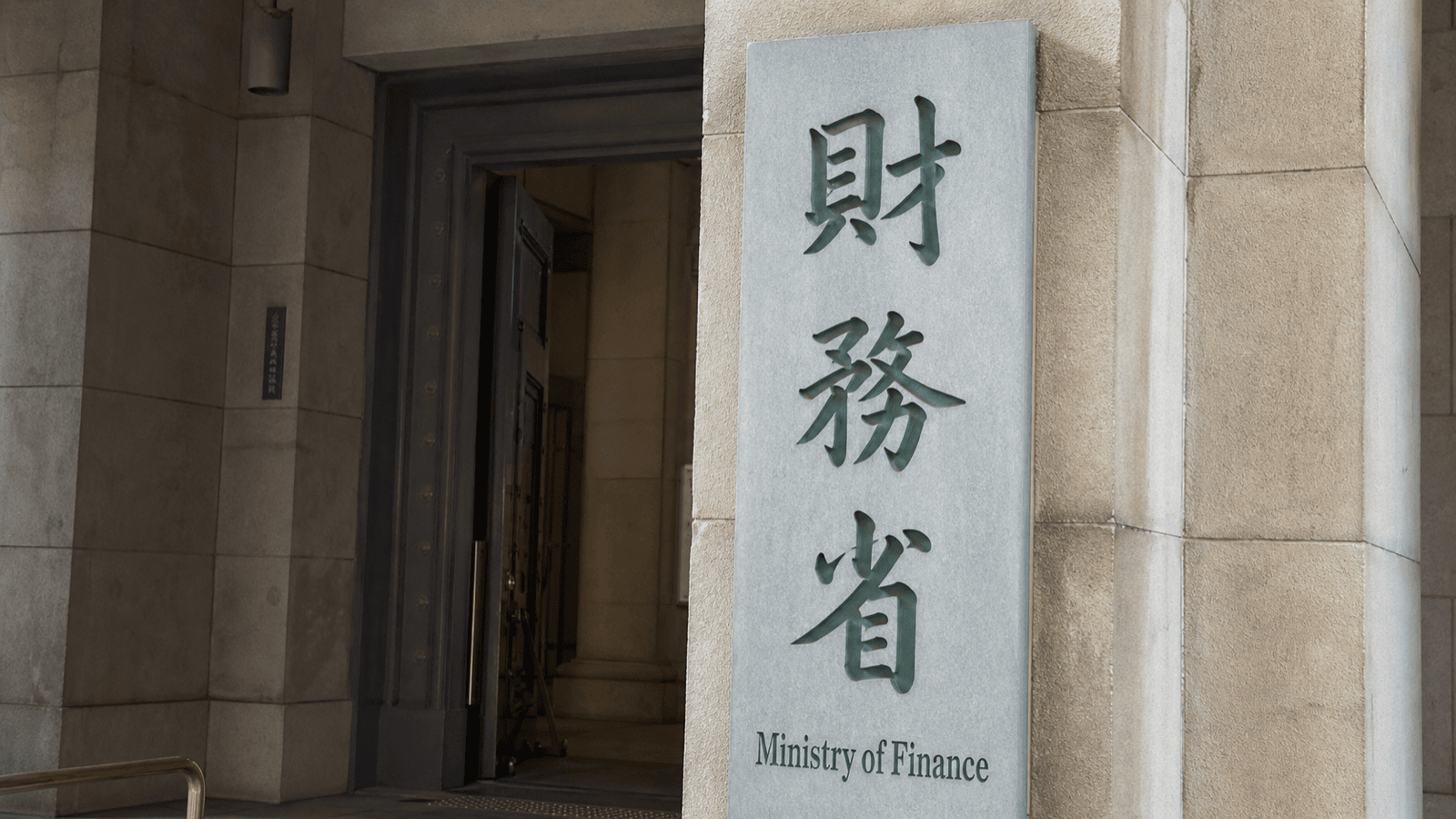
2026年5月1日木曜日夜、日本政府と日本銀行は為替市場で円買い・ドル売りの介入を実施したと見られています。市場関係者の推計では介入規模は5〜6兆円に達したとされ、2024年7月以来の円買い介入となった模様です。
On the night of Thursday, May 1, 2026, the Japanese government and the Bank of Japan are believed to have conducted yen-buying, dollar-selling intervention in the foreign exchange market. According to market participants' estimates, the scale of the intervention reached ¥5–6 trillion, and it appears to have been the first yen-buying intervention since July 2024.
160円突破を受けた行動
円相場は今週に入って1ドル=160円の節目を突破し、輸入物価や家計負担への影響が懸念されていました。介入直後には円相場が急速にドルに対し戻り、1ドル=156円台まで円高が進んだとされています。イラン戦争を巡る原油高騰が円安圧力を強めた直接的な背景と見られています。
Entering this week, the yen breached the milestone level of ¥160 per dollar, and impacts on import prices and the household burden were raising concerns. Immediately after the intervention, the yen reportedly reversed sharply against the dollar, advancing to the ¥156 range. The crude oil surge over the Iran war is seen as the direct background that intensified yen-weakness pressure.
投機への警戒と当局の姿勢
財務省はこれまでも「過度で一方的な変動には必要な対応を取る」との姿勢を示しており、今回の介入は投機的な円売りを強く牽制する狙いがあると見られています。市場は次の円安局面でも再び介入が行われる可能性を織り込みつつあるとされています。
The Ministry of Finance has previously taken the stance that "necessary responses will be taken to excessive and one-sided fluctuations," and this intervention is seen as strongly aimed at checking speculative yen-selling. The market is reportedly increasingly pricing in the possibility that intervention will be carried out again in the next yen-weakness phase.
米国との摩擦リスク
一方、トランプ米政権は他国による為替介入に厳しい視線を向けており、「為替操作」と判断されれば通商摩擦に発展する恐れもあると指摘されています。日本当局は今回の介入を「過度な変動への対応」と位置付けているとされ、米国との対話の行方も今後の焦点になる見通しです。
At the same time, the Trump administration takes a strict view of currency intervention by other countries, and it has been noted that there is also a risk of escalation into trade friction if it is judged to be "currency manipulation." Japanese authorities are reportedly positioning this intervention as "a response to excessive fluctuation," and the trajectory of dialogue with the US is also expected to become a focus going forward.
家計と企業への影響
円安が一時的に巻き戻されたことで、輸入エネルギーや食品を多く扱う企業や家計には一息つける局面になったと見られています。ただし、根本的な円安要因が残る中、電気・ガス料金は5月使用分が小幅上昇し、6月以降にイラン緊張の影響が本格化する見込みとされています。
With yen weakness temporarily reversed, companies and households that handle large amounts of imported energy and food are seen as having entered a phase where they can take a breath. However, with fundamental yen-weakness factors remaining, electricity and gas fees will rise modestly for May usage, and the impact of Iran tensions is expected to fully appear from June onward.
今後の論点
今後の焦点は、日銀が追加利上げに動くかどうか、原油相場が落ち着くかどうか、そして米国との通商関係に影響が及ばないかに移っていくと見られています。介入単独で円安を止めることは難しいとされ、金融政策とエネルギー情勢の両面を組み合わせた対応が問われる局面に入ったとされています。
Going forward, the focus is seen as shifting to whether the BOJ will move toward additional rate hikes, whether crude oil prices will settle, and whether the impact will extend to the trade relationship with the US. Halting yen weakness through intervention alone is said to be difficult, and the phase has entered one in which a combined response on both monetary policy and the energy situation will be tested.