円相場が介入水準に接近、市場は政府の対応を注視
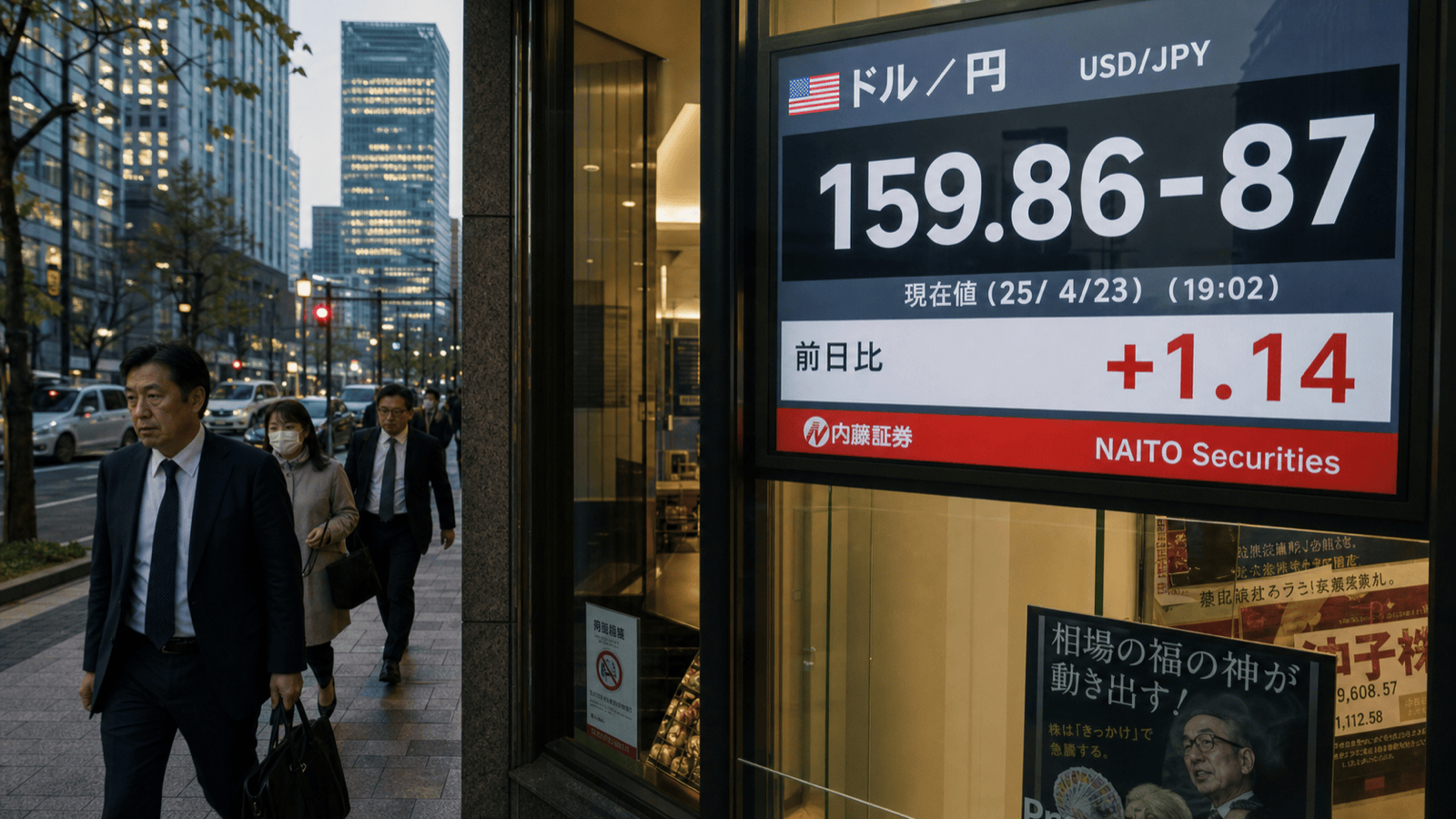
円相場が再び注目を集める
5月29日、円相場は1ドル=159.65円の近辺まで下落したと伝えられた。これは4月末に日本政府が介入した水準に近いとされる。
On May 29, the yen was reported to have weakened to around 159.65 per dollar. That was described as being close to the level at which Japanese authorities intervened at the end of April.
ロイターによると、市場参加者は東京が次にどこまで動けるかを見極めようとしている。前回の円買い介入では、政府が大きな資金を使ったと見られている。
According to Reuters, market participants are trying to judge how far Tokyo can move next. The previous bout of yen-buying intervention is seen as having required substantial funds.
市場が計算する余力
記事では、日本は4月末から5月初めにかけて、およそ630億ドルを使ったと見られると説明した。外貨準備は約1兆ドルあるが、すべてを介入に使うのは現実的ではないとされる。
The report said Japan is seen as having spent about $63 billion from late April through early May. While the country has roughly $1 trillion in foreign reserves, it is not considered realistic to use all of that for intervention.
日本銀行の資金データをもとにした試算では、なお150兆円ほどが残ると見られる。ゴールドマン・サックスの試算として、およそ30回の介入に相当するとの見方も紹介された。
Calculations based on Bank of Japan money-market data suggest about 150 trillion yen still remains. The article also cited a Goldman Sachs estimate that this could equal roughly 30 rounds of intervention.
ただし、米国債の価値への影響を考えると、外貨資産を大きく減らすことには限界がある。米国の理解が重要だという見方も示された。
But there are limits to selling down foreign assets heavily because that could affect the value of U.S. Treasuries. The article said U.S. understanding is also important for sustaining the impact of any action.
円安を招いた背景
円相場の重さの背景には、3カ月ほど続く中東危機があると記事は説明した。原油価格の上昇で、ほぼすべての原油を輸入する日本は打撃を受けやすい。
The article said the weak yen has been shaped in part by a Middle East crisis that has lasted about three months. Higher oil prices are a particular problem for Japan because it imports almost all of its crude oil.
さらに、日本銀行が利上げに慎重だという受け止めも、円売りを支えたとされる。金利差が大きいままだと、円は買われにくいからだ。
Another factor is the view that the Bank of Japan is cautious about raising rates. As long as interest-rate gaps remain wide, the yen is less likely to attract buying.
高市早苗首相のもとで財政刺激が広がるとの期待も、円安圧力を強めていると見られる。市場では、政府が160円台を守ろうとするとの見方が強い。
Expectations for broader fiscal stimulus under Prime Minister Sanae Takaichi are also seen as adding pressure on the yen. In the market, there is a strong view that the government will try to defend the 160-yen zone.
次の焦点
国内銀行のディーラーは、155円から157円の範囲にドル買い注文が集まっていると見ている。そこには輸入業者の実需と投機筋の動きが含まれるとされる。
Dealers at domestic banks said dollar-buy orders are clustering in the 155-to-157 yen range. That area is said to reflect both real demand from importers and speculative positioning.
一方で、市場では162円より前に次の介入が来るとの見方が出ている。当局と投資家の神経戦が続くとの見立てだ。
At the same time, there is a view in the market that the next intervention would come before the rate reaches 162 yen. In other words, traders expect the war of nerves between authorities and investors to continue.
円安は輸入品の価格を押し上げやすく、家計や企業の負担につながる。一方で、輸出企業には追い風にもなりうるため、為替相場の動きは日本経済に広く影響する。
A weaker yen tends to push up the prices of imported goods, increasing pressure on households and companies. At the same time, it can help exporters, which is why exchange-rate moves affect Japan's economy so broadly.