最低賃金1500円目標 — 2030年代までの大幅引き上げ
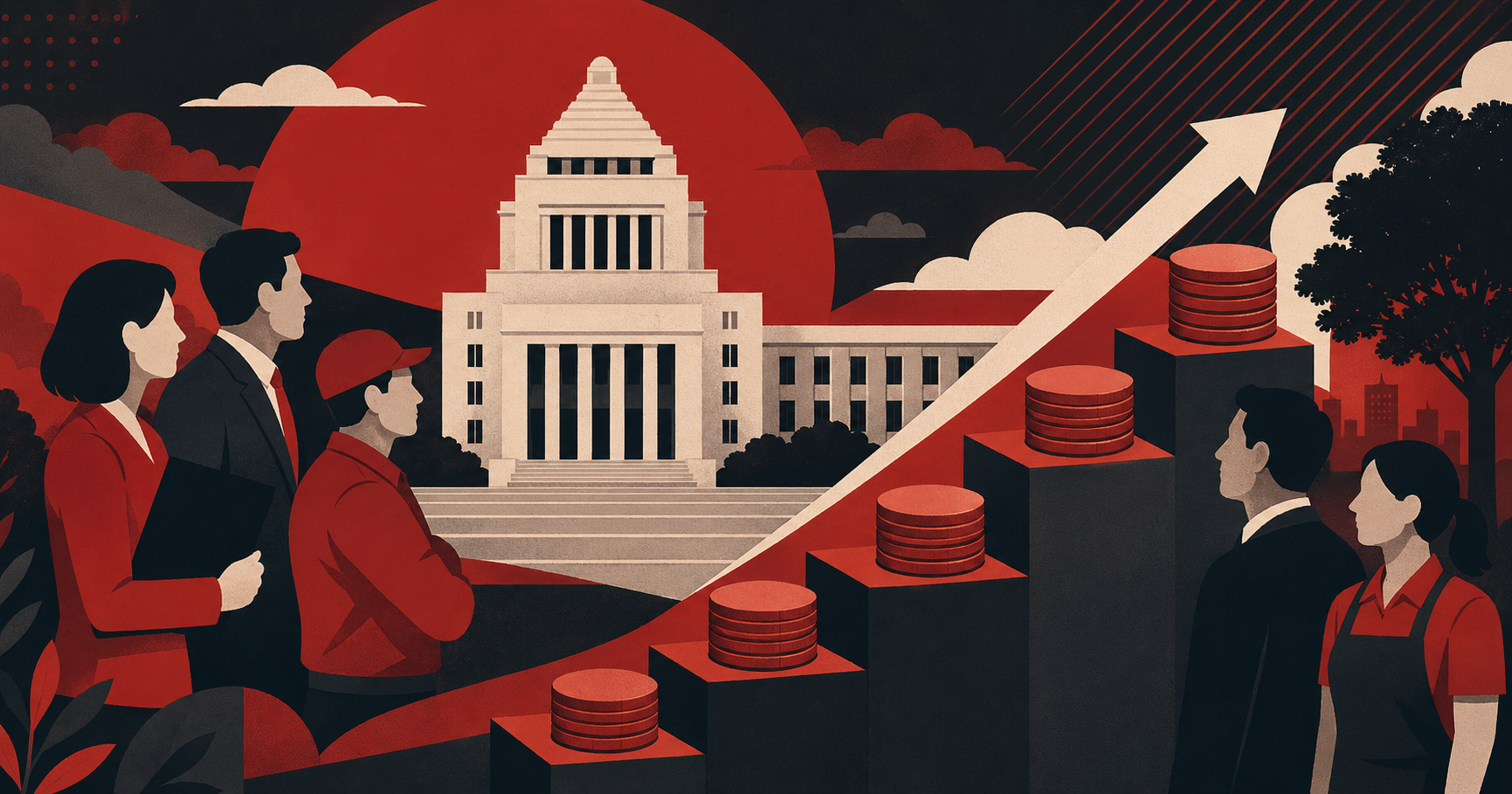
2024年10月、日本の最低賃金の全国加重平均は時給1055円となり、前年から51円の引き上げと過去最大の幅を記録したと報じられています。政府は2030年代半ばまでに最低賃金1500円を目指す方針を閣議決定したとされ、企業や労働組合、研究者の間で議論が続いています。
In October 2024, Japan's national weighted-average minimum wage reportedly reached 1,055 yen per hour — a 51-yen increase from the previous year and, according to reports, the largest raise on record. The government is said to have made a cabinet decision setting a policy of aiming for a 1,500-yen minimum wage by around the mid-2030s, and debate continues among firms, labor unions, and researchers.
2024年改定の概要
厚生労働省の公表によると、2024年度の改定では全国加重平均が時給1004円から1055円に引き上げられ、51円の上げ幅は制度開始以来最大とされます。政府は名目賃金を物価上昇に追いつかせることを重視しているとされ、実質賃金の改善が当面の課題と位置づけられています。
According to announcements by the Ministry of Health, Labour and Welfare, the FY2024 revision raised the national weighted-average from 1,004 yen to 1,055 yen per hour, with the 51-yen margin reportedly being the largest since the system began. The government is said to be emphasizing letting nominal wages catch up with rising prices, and improving real wages is positioned as a near-term challenge.
1500円目標の内容
政府は2030年代半ばまでに最低賃金の全国加重平均を1500円に引き上げるという目標を掲げているとされます。現状の1055円から達成するには年平均でおよそ3〜4%の引き上げが必要との試算も報じられていますが、達成時期や手段については議論の余地が残されていると見られます。
The government is reportedly setting a target of raising the national weighted-average minimum wage to 1,500 yen by around the mid-2030s. Estimates have been reported that achieving this from the current 1,055 yen would require average annual raises of roughly 3–4 percent, but room for debate is seen to remain regarding the timing and means of achievement.
都道府県別の格差
最低賃金は都道府県ごとに決定されるため、地域間の格差が存在します。2024年改定では最高が東京都の1163円、最低が高知県などの952円とされ、両者の差は200円を超えています。地方から都市部への人材流出を助長するとして、格差縮小を求める声も強まっています。
Because the minimum wage is decided by each prefecture, regional disparities exist. In the 2024 revision, the highest was Tokyo's 1,163 yen and the lowest was 952 yen in places such as Kochi Prefecture, with a gap of more than 200 yen between them. Voices demanding that the disparity be narrowed are also growing stronger, on the grounds that it contributes to talent outflow from rural to urban areas.
中央最低賃金審議会の役割
最低賃金の改定は、厚生労働省に置かれる中央最低賃金審議会の目安答申を受けて、各都道府県の地方審議会が最終決定を行う仕組みとされています。審議会は公益委員、労働者側委員、使用者側委員による「公労使三者構成」が原則で、労使双方の意見を反映させることが期待されています。
The minimum-wage revision works through a framework in which the Central Minimum Wages Council placed within the MHLW issues a guideline report, and each prefecture's regional council then makes the final decision. The councils are based on the principle of a "public-labor-employer three-party composition" of public-interest members, worker-side members, and employer-side members, which is expected to reflect the opinions of both labor and management.
中小企業への支援
急速な最低賃金引き上げは、体力の弱い中小企業にとって人件費負担の増加に直結するとされます。政府は「業務改善助成金」など各種の補助金を通じて、設備投資や生産性向上を後押ししているとされます。ただし、補助金の申請手続きが煩雑との指摘もあり、制度の使いやすさが課題とされています。
Rapid minimum-wage hikes are said to translate directly into increased labor-cost burdens for financially weaker small and medium enterprises. The government is reportedly backing equipment investment and productivity improvement through various subsidies such as the "Business Improvement Subsidy." However, there are also points raised that subsidy application procedures are burdensome, and ease of use of the system is said to be a challenge.
物価高と賃金上昇の連動
消費者物価指数の上昇率は2022年以降2%を超える水準が続いているとされ、食料品やエネルギー価格の上昇が家計を圧迫しています。最低賃金引き上げは、実質賃金の低下を抑える手段の一つと位置づけられる一方、コスト転嫁が十分に進まなければ企業側の負担が増すという懸念も指摘されています。
The rate of increase in the consumer price index is reportedly continuing at levels exceeding 2 percent since 2022, with rises in food and energy prices squeezing household budgets. Minimum-wage hikes are positioned as one means of curbing the decline in real wages, but on the other hand, the concern is also pointed out that the burden on the firm side will increase if cost pass-through does not progress sufficiently.
春闘との関係
毎年春に行われる労使交渉「春闘」では、2024年の賃上げ実績が平均5%を超える水準に達したと報じられており、これは約30年ぶりの高水準とされます。大手企業を中心とした賃上げの流れが最低賃金改定にも影響を及ぼしていると見られますが、中小企業や非正規労働者にまで同水準の賃上げが波及しているかは議論が分かれています。
In the labor-management negotiations called "shuntō" held each spring, the FY2024 wage-hike results are reported to have reached an average level exceeding 5 percent — said to be the highest level in about 30 years. The wage-hike trend centered on major firms is seen as also exerting influence on minimum-wage revisions, but opinion is divided on whether wage hikes of the same level have spread through to SMEs and non-regular workers.
海外との比較
国際比較では、米国の連邦最低賃金は時給7.25ドルに据え置かれている一方、カリフォルニア州など一部の州では16ドル前後に達しているとされます。欧州でもドイツ、フランス、英国などで時給換算で日本を上回る水準が一般的とされ、購買力平価で見ても日本の最低賃金は相対的に低い位置にあるとの指摘が多く見られます。
In international comparison, while the United States' federal minimum wage is reportedly held at 7.25 dollars per hour, in some states such as California it is said to reach around 16 dollars. In Europe as well, hourly-wage-converted levels surpassing Japan are said to be common in countries such as Germany, France, and the UK, and there are many points raised that even when viewed by purchasing-power parity, Japan's minimum wage is in a relatively low position.
雇用への影響論争
最低賃金引き上げが雇用に与える影響については、経済学者の間でも評価が分かれています。一方では低賃金労働者の所得改善や消費喚起を評価する見解があり、他方では中小企業での人員削減や時間短縮、自動化投資の加速を懸念する見方も根強いとされます。実証研究の結果も時期や地域によって異なるため、結論は一概には出しにくいと言えそうです。
Regarding the impact of minimum-wage hikes on employment, assessments are divided even among economic scholars. On one side there are views that appreciate income improvement for low-wage workers and stimulation of consumption, and on the other hand the view concerned about personnel cuts and hour reductions at SMEs and acceleration of automation investment is said to be deep-rooted. Because the results of empirical research also differ depending on period and region, it can be said that conclusions are hard to draw in a simple manner.