ソフトバンク、大阪で次世代電池事業へ AI電力需要の拡大に対応
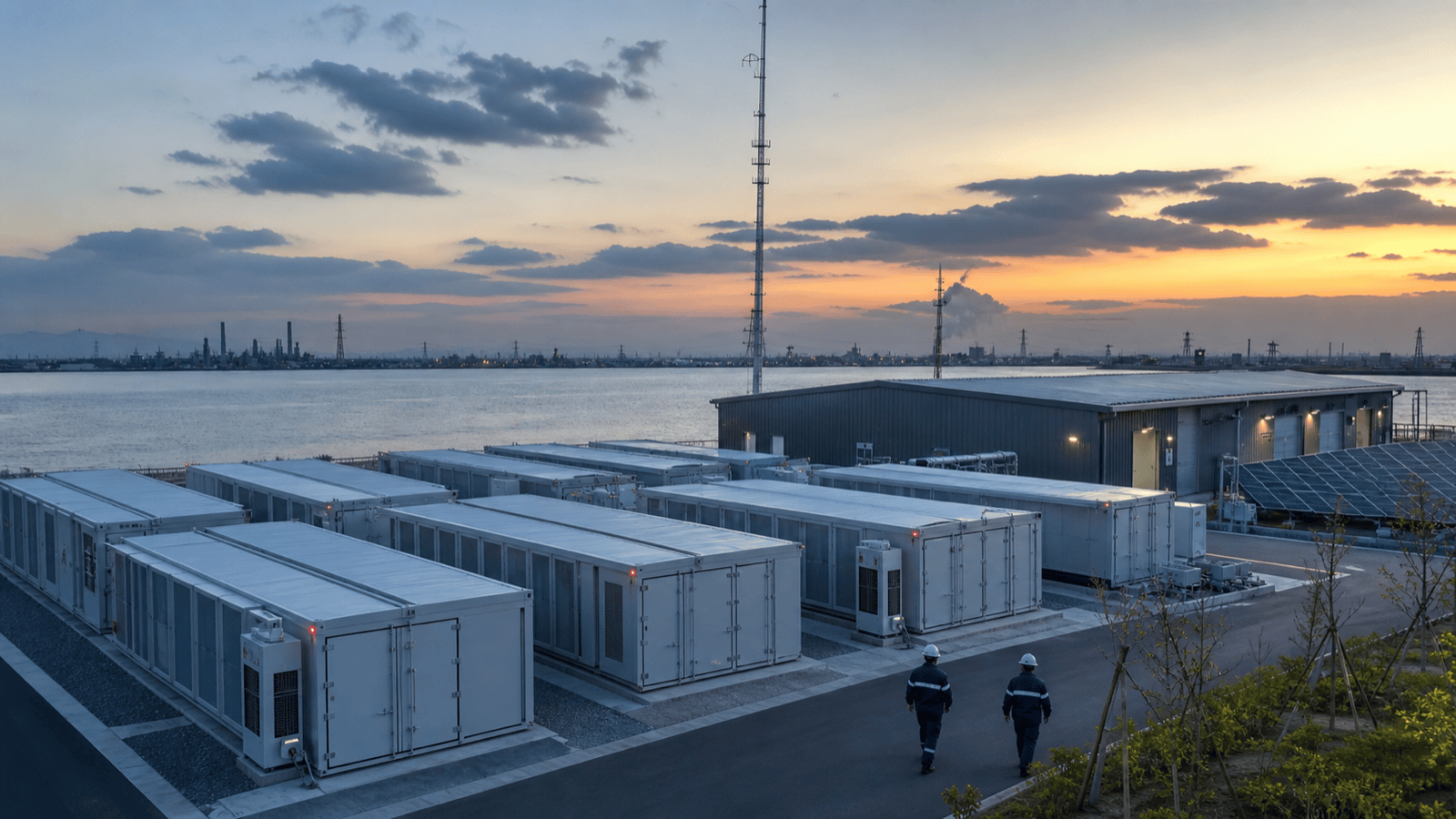
ソフトバンクは5月11日、日本で次世代の電池事業を始めると発表した。人工知能、つまりAIの普及で電力需要が増えていることに対応する動きと見られる。
SoftBank announced on May 11 that it is starting a next-generation battery business in Japan. The move is seen as a response to growing electricity demand as artificial intelligence, or AI, becomes more widespread.
何を発表したのか
報道によると、ソフトバンクは韓国のCosmos LabとAI企業のDeltaXと提携し、大型の電池セルや蓄電システムを手がけるとされる。対象は、まず日本市場だという。
According to reports, SoftBank will partner with South Korea's Cosmos Lab and AI company DeltaX to work on large-scale battery cells and power-storage systems. The initial target is said to be the Japanese market.
電池の用途は、AIデータセンターだけでなく、工場や送電網などにも広がると説明されたと伝えられた。中期では海外展開も視野に入れていると報じられている。
The batteries were reported to be intended not only for AI data centers but also for factories and power grids. In the mid-term, overseas expansion is also said to be under consideration.
生産拠点は大阪
生産は大阪府堺市の拠点で行われると発表された。この場所には、ソフトバンクのAIデータセンターとAIハードウエア工場も置かれるとされる。
Production is planned for a site in Sakai City, Osaka Prefecture. The site is also said to house SoftBank's AI data center and AI hardware plant.
同社は、この拠点で電池だけでなく太陽光関連設備も扱うと見られている。一つの場所に電力とAIの設備を集めることで、運営効率を高めるねらいがあると見られる。
The company is also seen as planning to handle solar-related equipment at the same base, not only batteries. By gathering power and AI facilities at one site, it is seen as aiming to improve operating efficiency.
量産までの日程
ソフトバンクは、電池の生産を2028年3月までの会計年度に始めるとした。本格的な量産は、その翌年度を目指すと説明したと報じられた。
SoftBank said production of the batteries would begin in the fiscal year ending March 2028. Full-scale mass production is reportedly being targeted for the following fiscal year.
現時点では、どの程度の規模で出荷するかや、どの顧客にどのように供給するかは、まだ限定的にしか示されていない。今後の詳細は中期計画の中で明らかになると見られる。
At present, only limited information has been shown about shipment scale and how the products would be supplied to customers. Further details are seen as likely to become clearer in the company's mid-term plan.
AI向けの電池とは
AIデータセンターは、計算装置を長時間動かすため、安定した電力と蓄電が欠かせないとされる。停電への備えや電力使用の平準化のために、電池の役割が大きいと見られている。
AI data centers run computing equipment for long hours, so stable power and storage are considered essential. Batteries are seen as playing a large role in preparing for outages and smoothing power use.
ソフトバンクは、AI関連事業を広げているため、自前で電力周辺技術を持つことは戦略的に重要だと考えられる。単なる通信会社から、AI基盤企業へ変わろうとしている流れの一部とも読める。
Because SoftBank is expanding AI-related businesses, owning power-adjacent technology in-house can be considered strategically important. The move can also be read as part of its shift from being simply a telecom company toward becoming an AI infrastructure company.
売上高目標は1000億円超
ソフトバンクは、この新事業で2030年度に年間1000億円超の売上高を目指すとした。AI需要が続くとすれば、電池や蓄電装置を新たな収益源にしたい考えだと見られる。
SoftBank said it aims for annual revenue of more than 100 billion yen from this new business by fiscal 2030. If AI demand continues, the company is seen as wanting batteries and storage equipment to become a new source of revenue.
供給網と素材の意味
報道では、Cosmos Labが亜鉛とハロゲンを使う次世代電池に取り組んでいると伝えられている。リチウムなどの希少資源への依存を下げることができれば、供給網の安定化にもつながると期待される。
Reports say Cosmos Lab has been working on next-generation batteries that use zinc and halogen. If dependence on scarce resources such as lithium can be reduced, that is expected to help stabilize the supply chain as well.
電池分野では、性能だけでなく安全性、調達、価格も重要だ。ソフトバンクがどの方式を選ぶかは、AI設備の総費用にも影響すると見られる。
In the battery field, not only performance but also safety, procurement, and price are important. Which approach SoftBank chooses is seen as affecting the total cost of AI facilities as well.
今後の注目点
今後は、具体的な投資額、生産能力、そして取引先がどこまで明らかになるかが焦点になると見られる。ソフトバンクは5月11日に決算説明も予定しており、その場で追加情報が示されるかどうかが注目される。
Going forward, the focus is expected to be on how much becomes clear about specific investment amounts, production capacity, and customers. SoftBank also has an earnings briefing scheduled for May 11, so attention is on whether additional information will be shown there.