ブリュッセルで「クリーンエネルギー移行投資フォーラム2026」開幕 — 欧州の脱炭素資金を議論
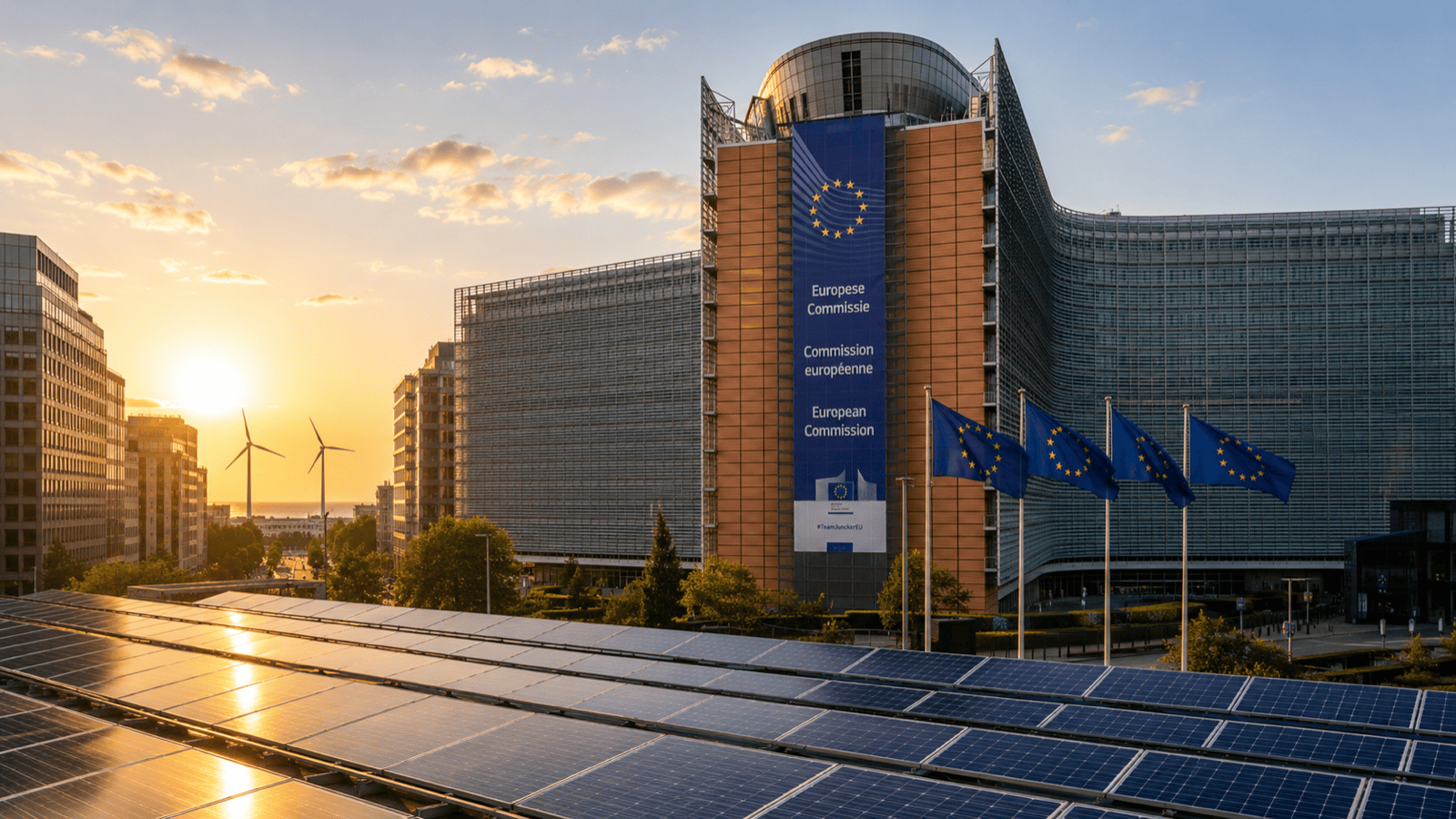
欧州委員会は2026年5月6日、ベルギー・ブリュッセルで「クリーンエネルギー移行投資フォーラム2026」(CETIF2026)を開幕したと報じられています。公的当局・企業・金融機関が一堂に会し、欧州の脱炭素に必要な資金の実務的な流し方を議論しているとされます。
The European Commission reportedly opened the "Clean Energy Transition Investment Forum 2026" (CETIF 2026) in Brussels, Belgium on May 6, 2026. Public authorities, businesses and financial institutions are reportedly gathered in one place, discussing practical methods of channeling the financing needed for Europe's decarbonization.
フォーラムのねらい
CETIF2026は欧州エネルギー効率融資連合(EEEFC)およびEU市長誓約と共催されており、実際の案件や同業者間の経験共有、実行可能なフォローアップを重視しているとされています。抽象的な誓約ではなく、具体案件の資金化が焦点とされます。
CETIF 2026 is co-hosted with the European Energy Efficiency Financing Coalition (EEEFC) and the EU Covenant of Mayors, and is reportedly emphasizing actual projects, peer experience sharing among players, and actionable follow-up. Rather than abstract pledges, the focus is reportedly on financing realization of specific projects.
CBAMとメタン規制が本格化
2026年はEUの気候政策が「報告段階」から「執行段階」へ移行する節目とされており、炭素国境調整措置(CBAM)が複数の産業セクターで実際の賦課に移ると報じられています。並行してEUメタン規制による新たな報告義務も追加されるとされます。
2026 is reportedly a milestone year in which EU climate policy is transitioning from a "reporting stage" to an "enforcement stage," and the Carbon Border Adjustment Mechanism (CBAM) is reportedly moving to actual imposition in multiple industrial sectors. In parallel, new reporting obligations under the EU Methane Regulation are reportedly also being added.
「実行へのシフト」が進む2026
国際エネルギー機関やシンクタンクは、2026年を「新しい誓約よりも実行を競う年」と位置付けているとされます。政治的に複雑化したエネルギー市場の中で、誰が早く投資を案件に落とし込めるかが競争力を左右すると見られています。
International energy agencies and think tanks reportedly position 2026 as "a year of competing on execution rather than new pledges." Within an energy market that has become politically complicated, who can quickly translate investment into actual projects is seen as determining competitive edge.
日本にとっての示唆
日本企業にとっては、CBAMの本格賦課は鉄鋼・アルミニウム・セメント・肥料・水素など輸出製品のコスト構造に直接影響するとされ、供給網全体での排出把握と削減が迫られていると見られています。欧州市場での案件組成やグリーン融資との連携も今後の論点です。
For Japanese companies, full-scale imposition of CBAM is reportedly going to directly affect the cost structure of export products such as steel, aluminum, cement, fertilizer and hydrogen — and tracking and reducing emissions across the entire supply chain is seen as being pressed for. Project formation in the European market and cooperation with green financing are also points of discussion going forward.
今後の論点
今後は、公的資金と民間資金を混合するブレンデッドファイナンスの活用、地方自治体レベルの案件への資金供給、CBAMを巡る第三国との摩擦対応、そして欧州域内の産業競争力と気候政策の両立が焦点になると見られています。
Going forward, the focus is seen as utilization of blended finance combining public and private funds, supply of funds to local-authority-level projects, managing friction with third countries over CBAM, and balancing internal European industrial competitiveness with climate policy.