米中貿易摩擦 2026年現在 — 関税合戦と日本企業への影響
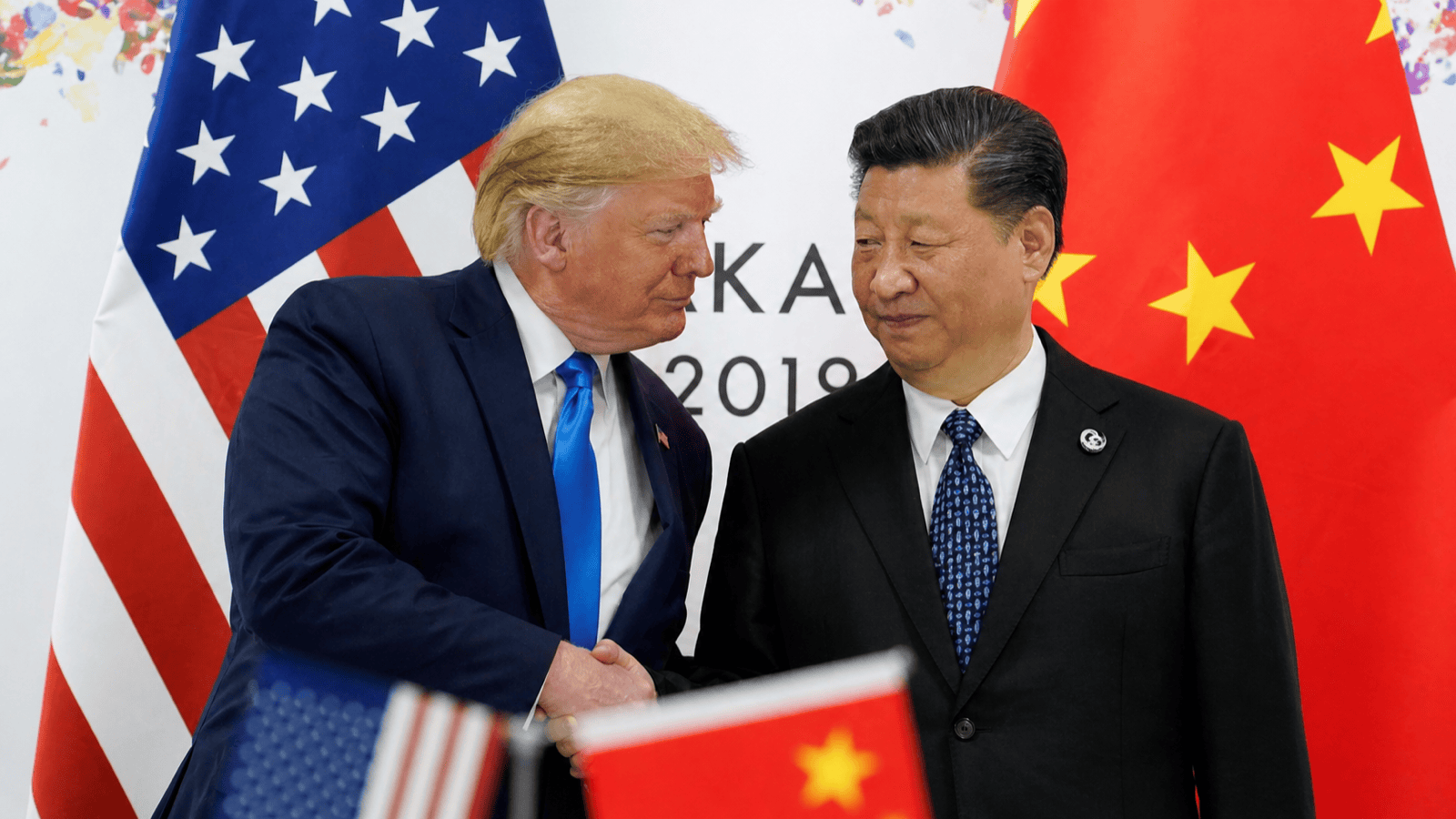
米国と中国の貿易摩擦は、2018年頃に本格化してから長期化しているとされ、2026年現在も両国の対立は続いていると報じられています。本記事では、公開情報を基に、現状の論点と日本企業への影響を整理します。
US-China trade friction is said to have moved into full swing around 2018 and has become prolonged, and as of 2026 the confrontation between the two countries is reportedly still continuing. Based on publicly available information, this article organizes the current points of discussion and the impact on Japanese firms.
相互関税の現状
米国は中国製品に対し広範な追加関税を維持しているとされ、電気自動車や太陽光パネル、蓄電池などの分野では特に高い税率が課されていると伝えられています。中国側も米国産の農産物や一部工業製品に報復関税を掛けており、両国の応酬は終息が見えない状況と見られています。
The United States is said to be maintaining broad additional tariffs on Chinese products, with especially high rates reportedly imposed in fields such as electric vehicles, solar panels, and storage batteries. China is also imposing retaliatory tariffs on US agricultural products and some industrial goods, and the back-and-forth between the two is seen as a situation with no end in sight.
半導体輸出規制
近年の争点の中心は半導体とされます。米国は先端半導体や製造装置の中国向け輸出を段階的に制限してきており、同盟国にも同様の措置を呼びかけているとされています。日本とオランダも一部品目について輸出管理を強化したと報じられており、グローバルな半導体供給網が再編を迫られていると見られています。
The center of the recent point of contention is said to be semiconductors. The US has been restricting exports of advanced semiconductors and manufacturing equipment to China in phases, and is said to be calling on allied countries to take similar measures. Japan and the Netherlands have reportedly also strengthened export controls on some items, and the global semiconductor supply chain is seen as being forced to reorganize.
日本企業への直接影響
日本企業は製造業を中心に中国に多くの生産拠点を持っており、米中摩擦の影響を直接受けやすい立場にあるとされます。特に半導体製造装置や素材の分野では、米国の輸出管理に沿った対応を迫られるケースが増えていると報じられています。
Japanese firms — centered on manufacturing — hold many production bases in China and are said to be in a position where they tend to be directly affected by US-China friction. In semiconductor manufacturing equipment and materials in particular, cases of being forced into responses in line with US export controls are reportedly increasing.
供給網の再編と「チャイナ・プラスワン」
地政学的リスクの高まりを受けて、多くの日本企業が生産拠点の一部をベトナムやインド、メキシコなどに移転・分散する「チャイナ・プラスワン」戦略を進めているとされます。ただし、中国市場そのものの規模は依然大きく、完全撤退は現実的でないと見る向きも多く、現地市場向け生産は残しつつ輸出向けを他国に移すという使い分けも広がっていると報じられています。
In response to rising geopolitical risk, many Japanese firms are said to be advancing a "China-plus-one" strategy of relocating and diversifying part of their production to Vietnam, India, Mexico, and elsewhere. However, the Chinese market itself remains large in scale, and many take the view that fully withdrawing is not realistic; a dual approach of retaining production for the local Chinese market while moving export-bound production to other countries is reportedly also spreading.
「デリスキング」と産業政策
欧米では「デカップリング」ではなく「デリスキング」という表現が使われるようになり、全面的な切り離しではなく重要分野での依存を減らすという考え方が広がっているとされます。日本も経済安全保障推進法に基づき、半導体や電池などの国内生産を支援する補助金政策を進めていると報じられています。
In the US and Europe, the term "de-risking" rather than "decoupling" has come to be used, and the way of thinking — not full separation but reducing dependence in critical fields — is said to be spreading. Japan, too, is reportedly advancing subsidy policies to support domestic production of semiconductors, batteries, and similar goods, based on the Economic Security Promotion Act.
今後の展望
米中関係の行方は両国の政権の姿勢に大きく左右されると見られており、短期間での抜本的な改善は難しいと考えられています。企業側はシナリオ別の備えを強めるとともに、輸出管理や制裁リストの最新動向を継続的に把握する体制が求められているとされています。
The direction of US-China relations is seen as greatly dependent on the stance of each country's administration, and a fundamental improvement in the short term is thought to be difficult. Firms are said to be required to strengthen scenario-based preparation and to put in place systems to continuously grasp the latest trends in export controls and sanctions lists.